 EN
EN

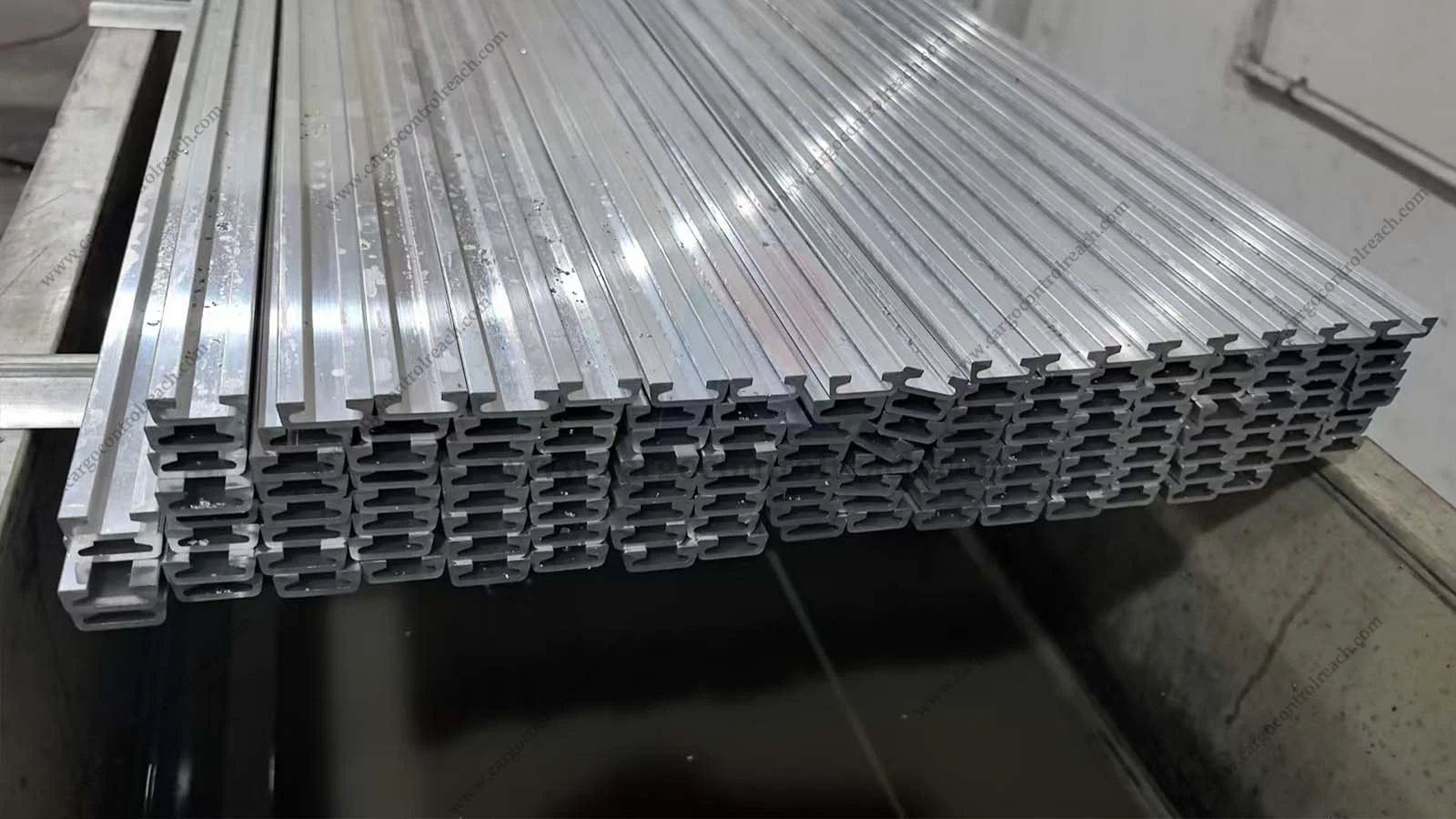
Step 1: Custom Aluminum extrusion
-
We utilize 6061-T6 aluminum alloy for its impressive strength-to-weight ratio and corrosion resistance. Every raw profile is precision-extruded using our proprietary custom dies.
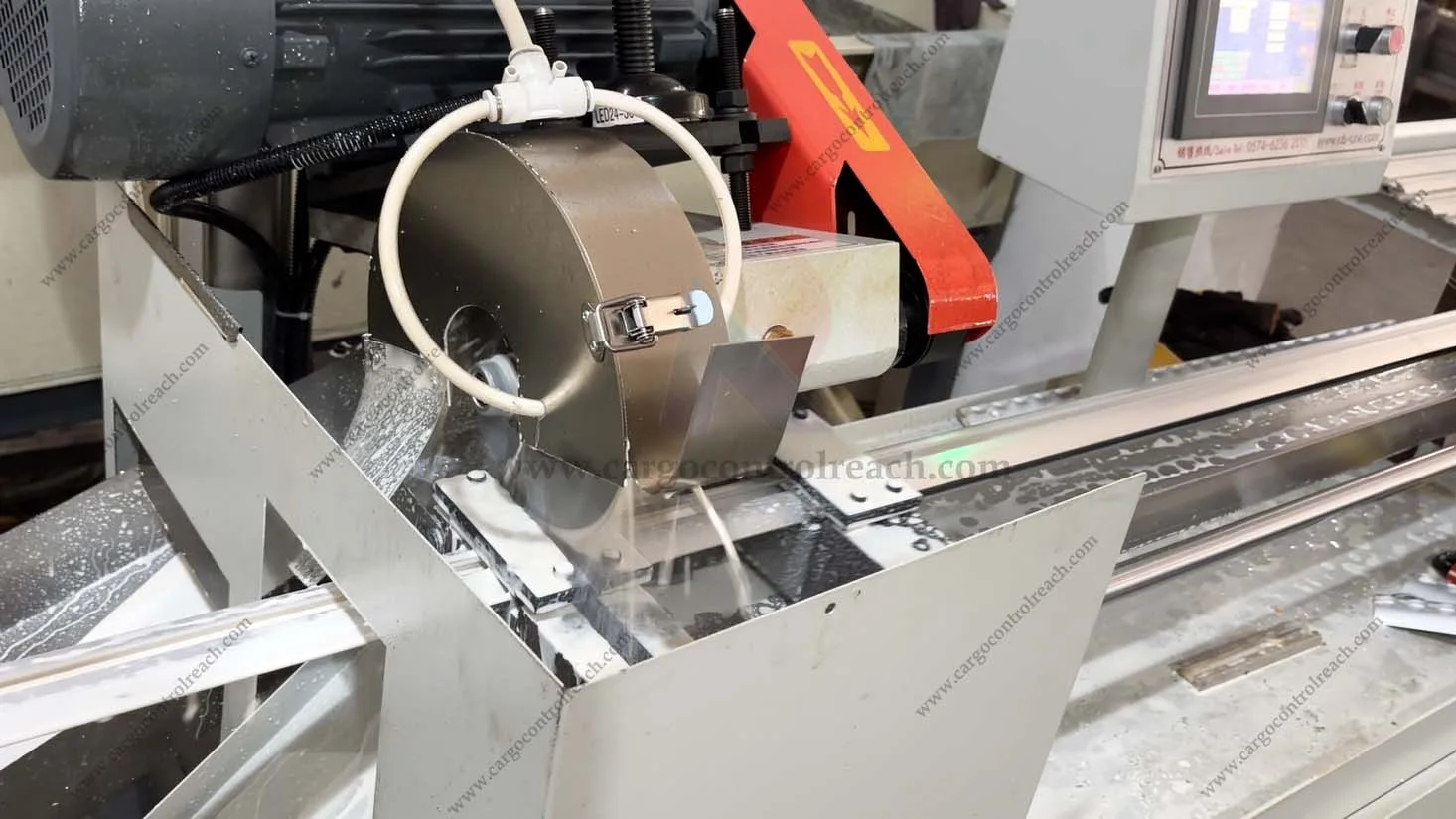
Step 2: Precision Cutting to Length
-
Using CNC precision cutting machines, we cut extruded aluminum profiles into customer-specified lengths, such as 12", 48", and 96". Each cut is carefully controlled to maintain tight dimensional tolerances and ensure consistent quality across every batch.
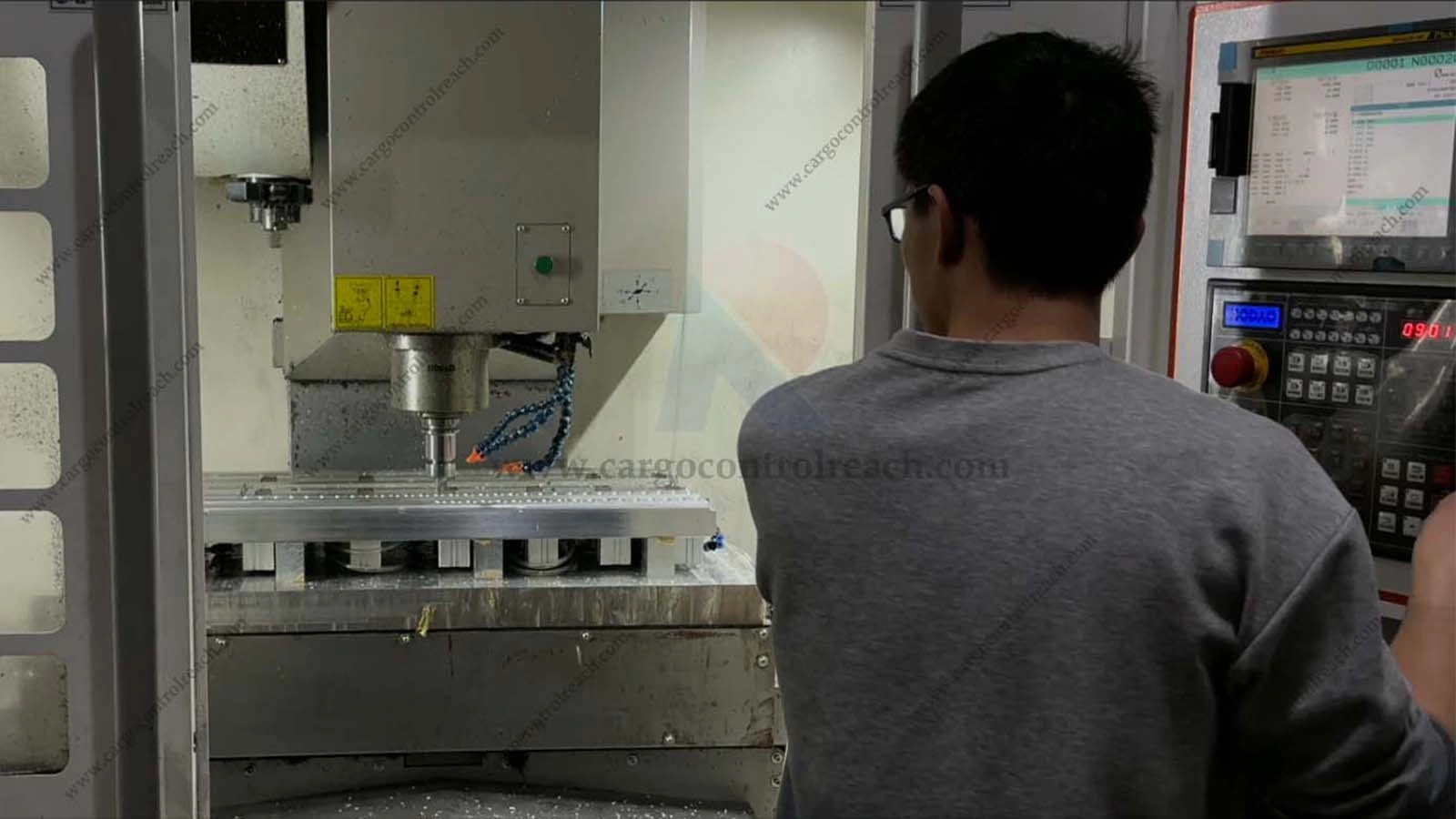
Step 3: CNC Precision Machining
-
The continuous slot system is one of the most critical connection features of L-Track. Using multi-axis CNC precision machining, we ensure consistent dimensions and accurate positioning of every anchor point. This allows L-Track fittings to slide smoothly into place, adjust easily, and lock securely with a precise fit for reliable cargo restraint.
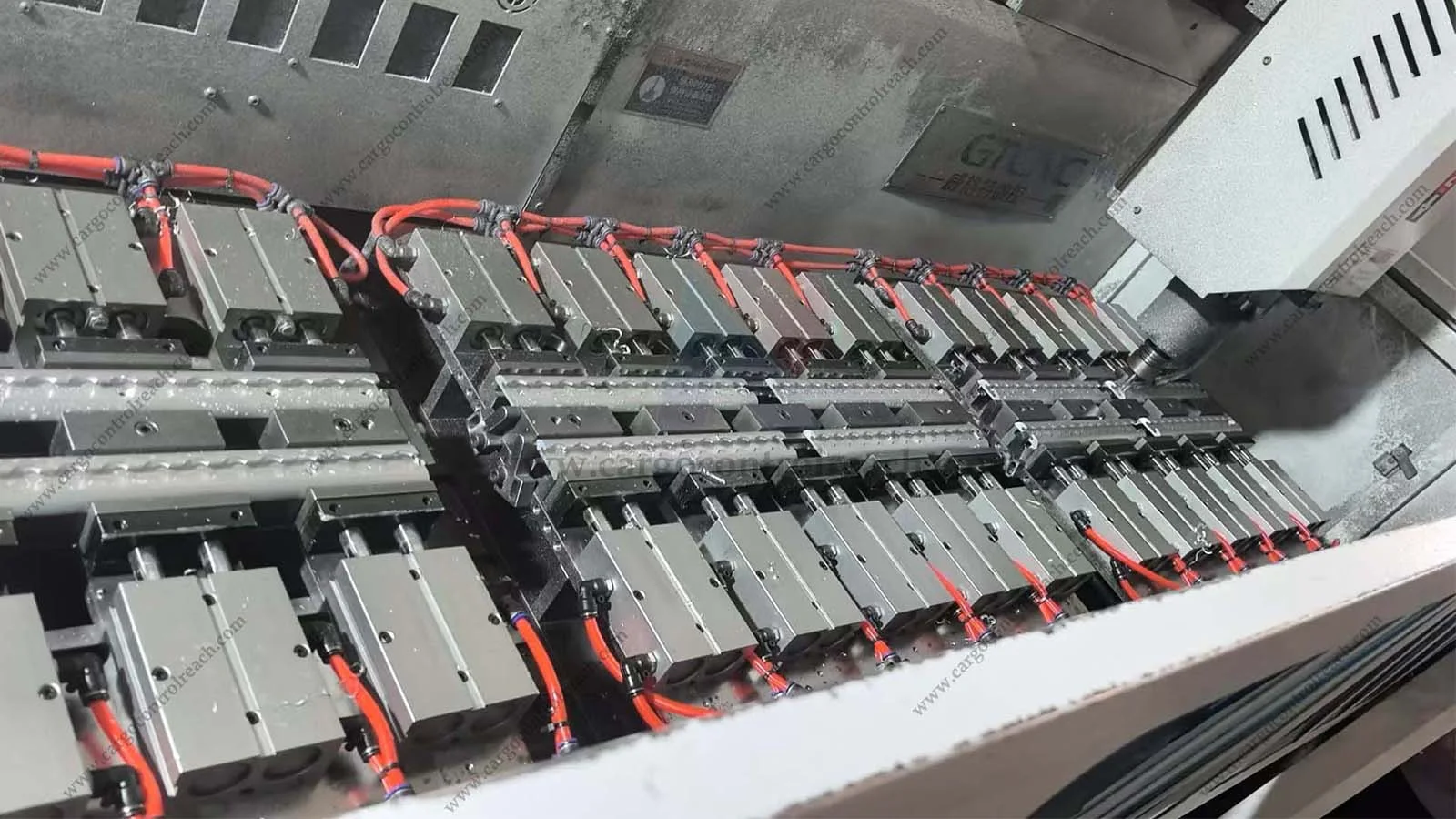
Step 4: Mounting Hole Drilling & Countersinking
-
Countersink drilling for L-Track (Airline Track) is a critical machining process designed to prepare mounting points that accept flat-head/countersunk fasteners. The primary objective is to achieve a perfectly flush fit between the screw head and the surface of the track profile, ensuring unobstructed clearance for cargo fittings, tie-downs, and sliding equipment.
Step 5: Surface Finishing & Anodizing
-
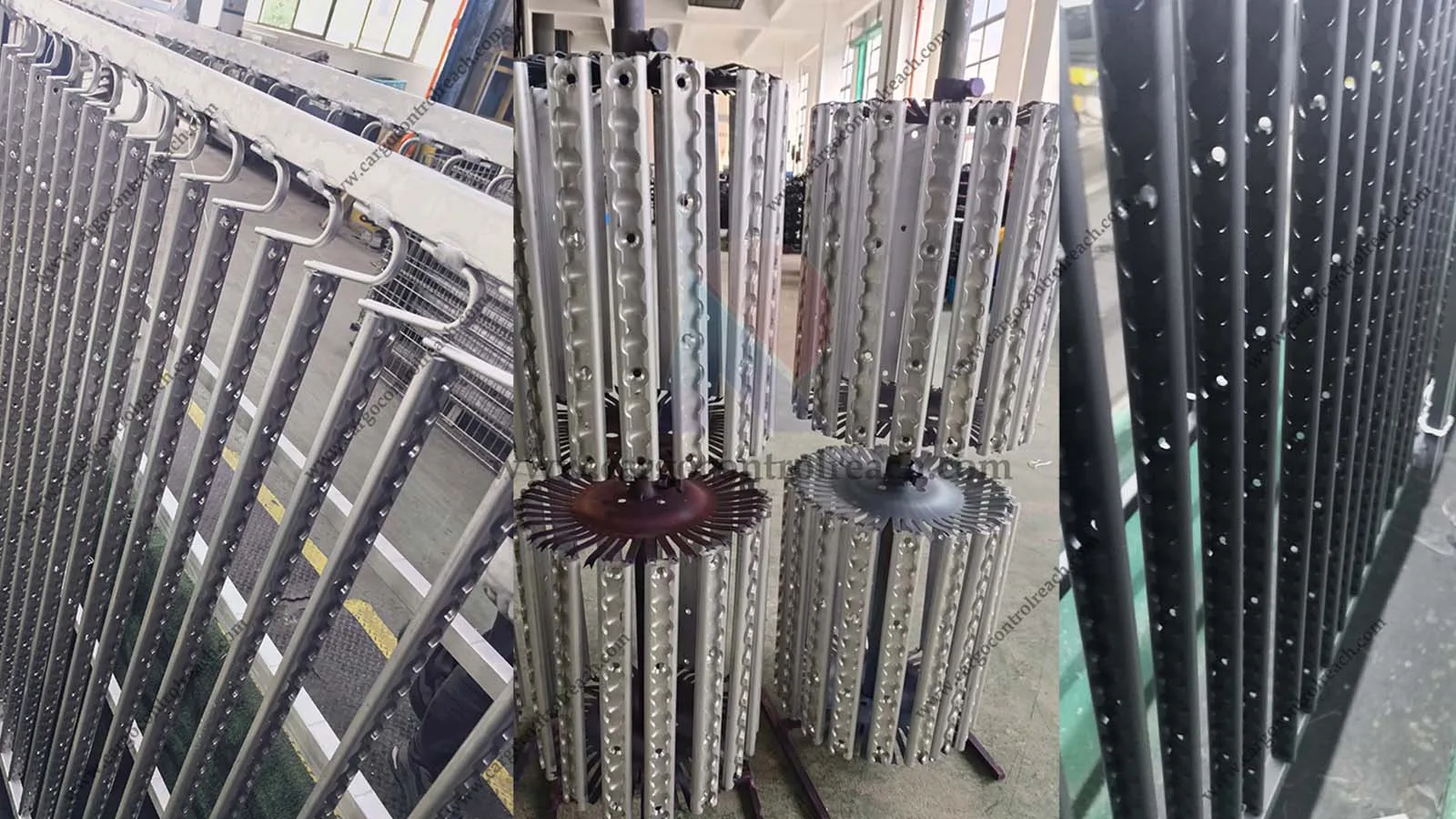
Anodizing is an electrochemical finishing process that converts the aluminum surface into a durable, corrosion-resistant anodic oxide finish. The primary objectives are to enhance durability, protect against wear, and elevate product aesthetics.
Step 6: Strict Quality Control & Load Testing
-
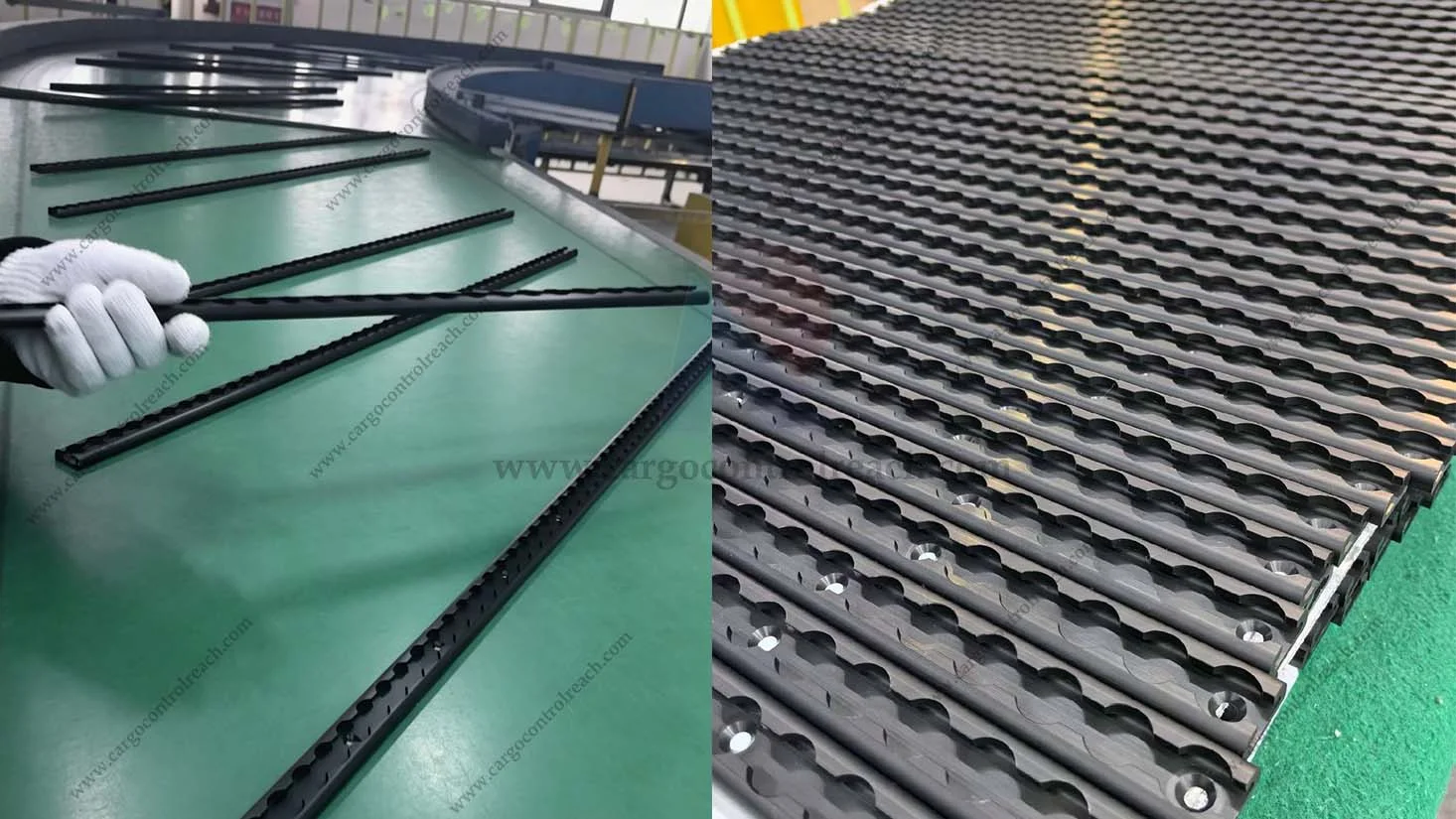
To guarantee top-tier product quality, all finished components undergo a strict, multi-stage inspection process. This rigorous quality control flow ensures that every piece meets the highest standards for surface finish, dimensional accuracy, and visual appearance before reaching the customer.