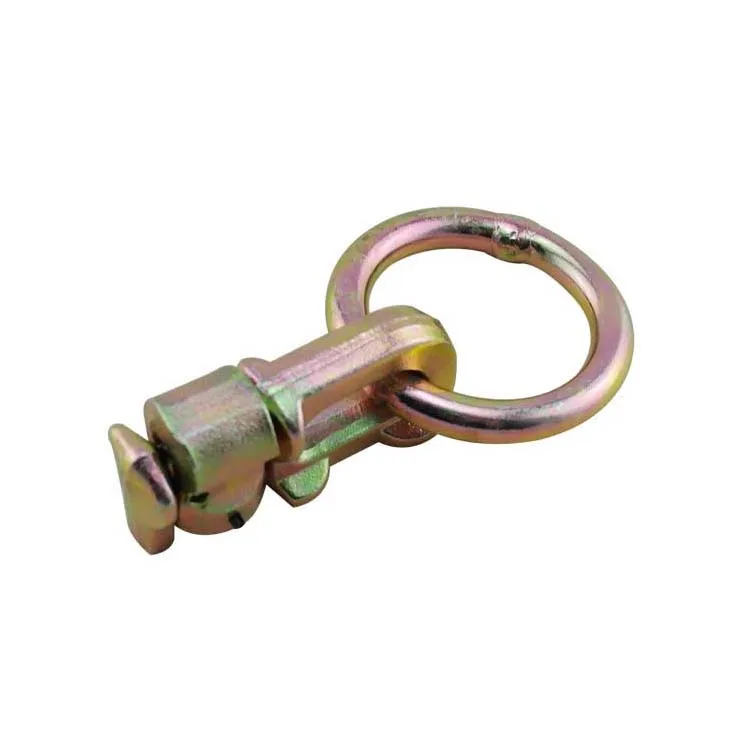
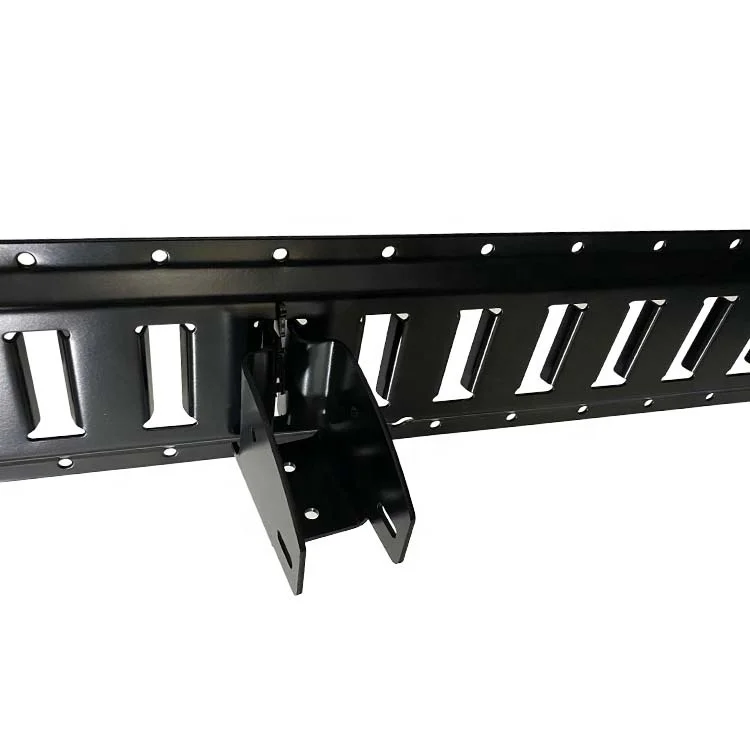
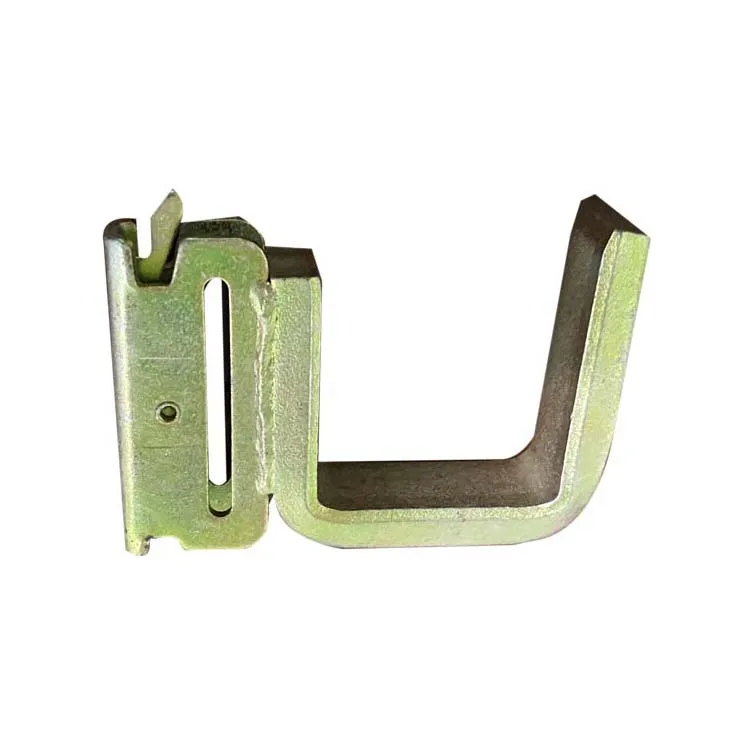
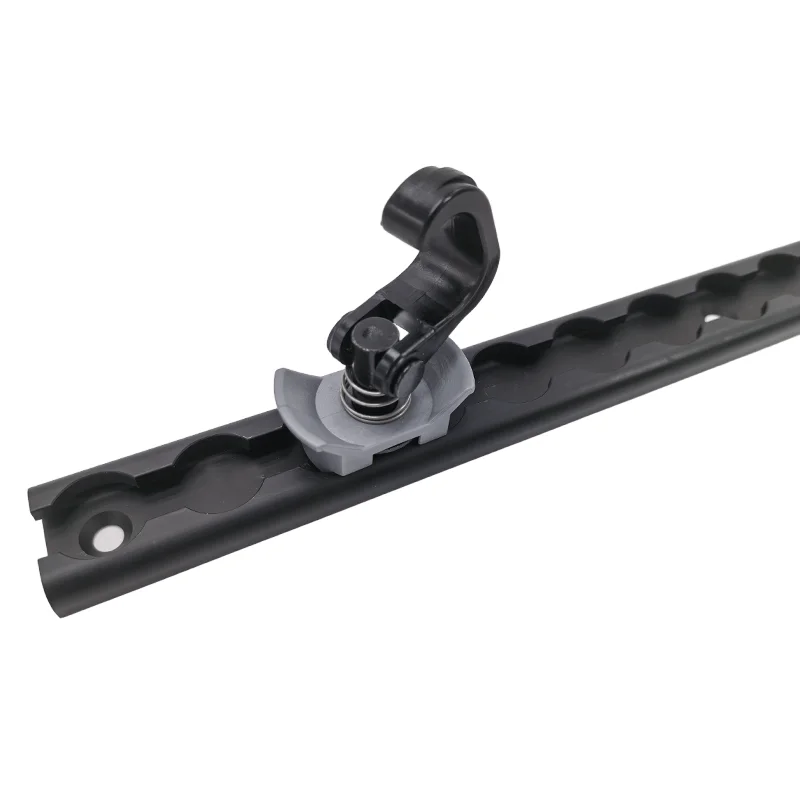
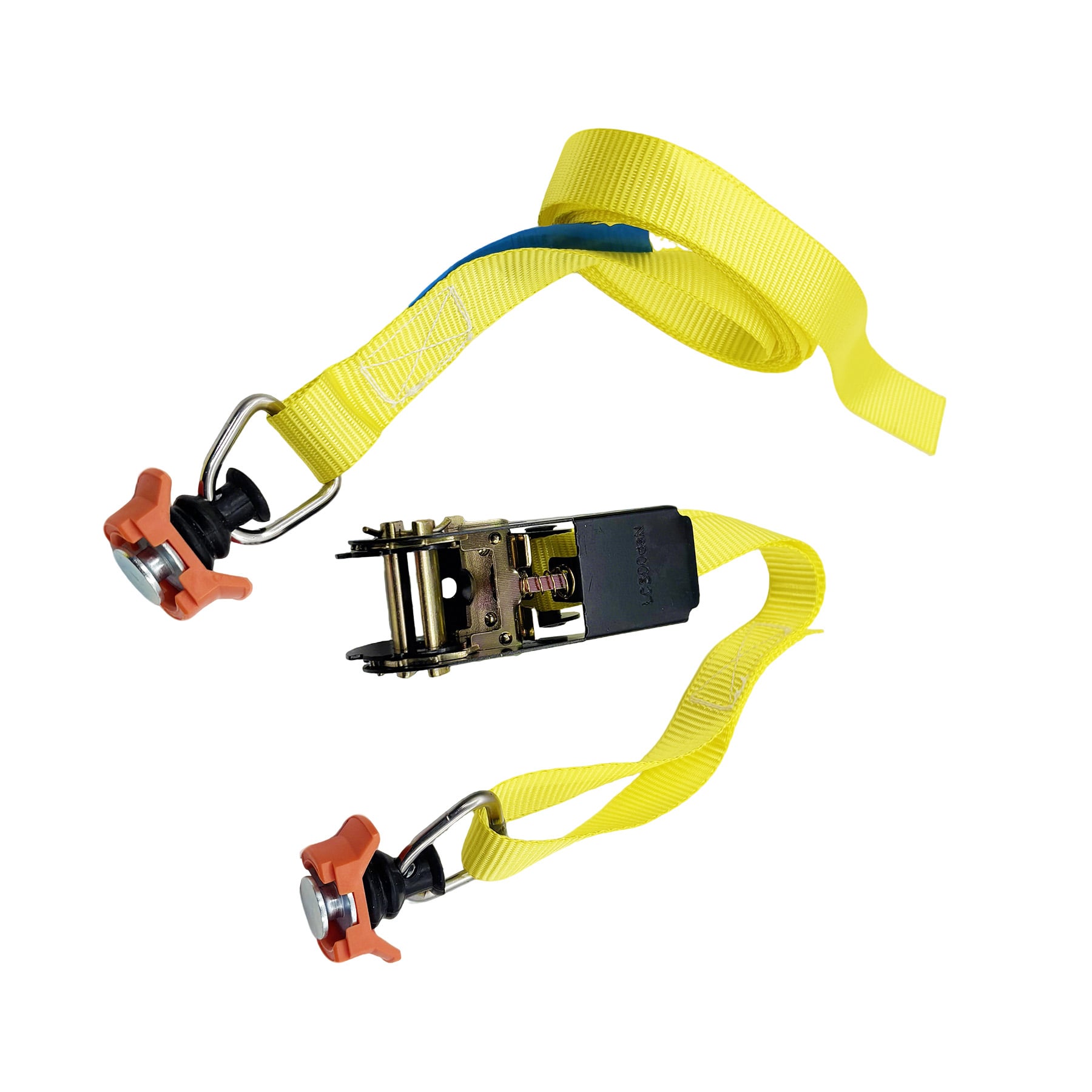
The L Track system, also known as Logistic Track, consists of modular rails made from either aluminum or steel with anchor points spaced out regularly so users can place tie-down fittings wherever needed. Fixed D-rings just don't cut it compared to L Track which lets people customize how they secure their cargo. This matters a lot for RVers and toy hauler owners since what gets loaded changes all the time. According to numbers from NHTSA in 2023, around 27% of trailer accidents happen because stuff wasn't properly fastened down. When hauling things like ATVs or motorcycles in toy haulers, those sudden stops create serious force sometimes over 1,000 pounds worth. What makes L Track stand out is its flush mount design that doesn't eat up precious floor space inside small spaces. Plus these tracks are built tough enough for military applications, with each fitting able to handle up to 5,000 pounds of stress.
Getting the correct L track makes all the difference when it comes to lasting performance and staying safe during transport. If someone only needs to move small stuff occasionally, like maybe a camp chair or two duffle bags, then light duty aluminum tracks work just fine. They're strong enough for what they need to handle, plus they won't rust easily and aren't too heavy either. But when dealing with heavier gear that gets moved regularly motorcycle transport, those big utility vehicles, even portable generators the way to go is definitely heavy duty steel L track. Steel stands up better under constant pressure, which matters a lot when driving over bumpy roads or trails. According to industry specs from last year, standard aluminum can take about 2,000 pounds at each attachment point, whereas steel versions hold double that weight capacity. So think about what kind of things will be loaded most often before making a choice.
| Cargo Type | Recommended Track | Max Weight/Point | Use Case Frequency |
|---|---|---|---|
| Light gear (≥500 lbs) | Aluminum | ≥2,000 lbs | Occasional |
| ATVs/Motorcycles | Steel | ≥4,000 lbs | Weekly/Daily |
Adhering to manufacturer-rated capacities prevents track deformation and cargo shifts. Ratings are specified per attachment point, not total track length. Reinforced fittings—such as forged steel D-rings—distribute force more effectively than basic hooks, particularly under dynamic loads. Structural durability depends on three key factors:
Enclosed trailers work best when we install those L tracks on multiple surfaces - both the floor and side walls actually. This helps keep tall stuff or heavy objects like water tanks from tipping over while moving around. The downside? The enclosed design blocks wind from getting through but creates all sorts of turbulence as the trailer moves along roads. Because of this, most enclosed trailers need about 40 percent more anchor points compared to their open counterparts just to handle those unpredictable forces. Open trailers face different challenges though. Wind hits them directly so proper track placement becomes really important. We usually recommend running tracks parallel to the wheel wells to stop things from shifting sideways. And remember to put the heaviest cargo close to where the axles are located for better weight distribution overall.
The GVWR of a trailer sets the baseline for what kind of L track makes sense for the job. Going beyond those numbers puts the whole structure at risk of failing. When dealing with items below 2,000 pounds, regular aluminum L track that handles between 1,000 to 2,000 pounds per anchor point works fine. But when loading heavier stuff like utility task vehicles, it's time to upgrade to heavy duty steel tracks capable of handling over 4,000 pounds each with those reinforced double stud fittings. Something worth remembering about real world conditions: sudden stops can multiply the actual weight dramatically. Take a motorcycle weighing around 1,500 pounds for instance it might actually put pressure equivalent to 4,500 pounds on the system during hard braking situations. As a rule of thumb, look for L track that has at least triple the capacity needed for whatever represents the heaviest single object being transported.
Surface-mounted L track installs directly onto RV floors or walls using bolts, offering faster setup and easier maintenance. It accommodates irregularly shaped cargo like generators and allows for reconfiguration. However, floor-mounted tracks can create trip hazards in narrow aisles.
Flush-mounted systems are recessed into the subfloor, creating a level surface that enhances safety and preserves usable space. While ideal for high-traffic areas, they require structural reinforcement around cut-outs and are best installed by professionals due to permanent modifications.
Wall-mounted tracks optimize vertical storage but must be anchored into studs to ensure load integrity. According to RV industry standards, floor installations should align with load-bearing joists. Surface mounting may suffice in lightweight trailers, but heavy-duty toy haulers typically require recessed tracks bonded to steel frames for maximum stability.
Maximize limited RV space by integrating horizontal and vertical tracks around structural obstacles like wheel wells and under dinettes. Consider these strategies:
| Layout Goal | Track Placement Strategy | Space Saved |
|---|---|---|
| Multi-zone anchoring | Parallel tracks along walls | 18% floor |
| Gear accessibility | Angled sections near doors | 22" clearance |
| Convertible areas | Modular segments under foldable beds | Dual-use surfaces |
When setting up sleeping areas that double as something else, quick release fittings work great for taking things apart when on the road. Mounting tracks at corners keeps water tanks safely in place without blocking the middle part of the van where people need to move around. For smaller vans (anything under twenty feet), going with a U shape around the edges tends to keep most of the floor space free for walking, usually about three quarters of it, plus gives twelve spots to attach stuff securely. Before putting everything together permanently, it's smart to try out different arrangements using soft ties first. This lets anyone see if they can actually reach all parts comfortably and check whether everything stays tight enough without being too restrictive.
How well an L track system works really depends on whether the accessories fit together properly. Most standard fittings work great with common items like ratchet straps, those handy J-hooks, and wheel chocks which are pretty much necessary when loading up motorcycles or UTVs without scratching up their frames. The soft tie straps come in real handy too for protecting delicate parts such as handlebars and suspension systems while bouncing around off road trails. Make sure to check that the Working Load Limit (WLL) rating matches between what's installed on the vehicle and whatever attachments are being used against the actual weight of whatever needs securing. According to some recent industry stats from Transport Safety Council back in 2023, about one third of all shifting cargo problems in toy haulers happen because people mix and match hardware incorrectly. When dealing with tricky loads that don't fit neatly, it pays to invest in those multi directional fittings that can adjust themselves to accommodate weird shapes and sizes.
When hitting the road in an RV, regular stuff needs special securing methods. Water jugs that fold up are tricky because they move around so much, so adjustable straps made from webbing tend to work better than anything else. Toolboxes with hard shells need something different altogether. Most folks find that attaching them at four points using flat hooks keeps everything stable without getting caught when reaching inside later on. Big items such as tents and those foldable camp chairs pose another challenge. Perimeter tracks installed along the walls paired with cargo nets do wonders for keeping these bulky pieces from shifting around during travel. A few simple tricks make all the difference in maintaining order inside the vehicle.
 Hot News
Engineered cargo tie-down & load securing systems by Reach Industrial. Premium L-track systems, toolbox locks, rope ratchets & kinetic recovery ropes.
Building 12, Jinshan Intelligent Manufacturing Industrial Park, No. 209, Lane 520, Tongning Road, Jiangbei District, Ningbo City, Zhejiang Province, China.
Copyright © 2025 by Ningbo Reach Hardware Co., LTD. Privacy Policy
 EN
EN