 EN
EN

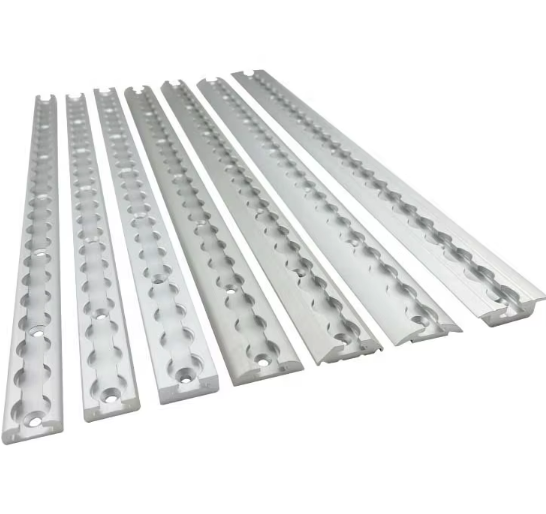
L-Track Fitting Types: Matching Design to Trailer Load and Structure
Standard vs. Heavy-Duty L-Track Fittings: Load Capacity and Structural Integrity
When choosing between regular and heavy duty L Track fittings, there are several factors to consider including what kind of cargo will be carried, how much stress the system will face, and the overall build quality of the trailer itself. Regular aluminum fittings work fine for lighter stuff like bags of gear or small hand tools since they usually handle weights below 2000 pounds at the anchor points. The heavier steel options though are made specifically for tough jobs and can take well over 4000 pounds each connection point. These are essential when transporting things like bikes, all terrain vehicles, or even some smaller pieces of machinery. Getting the structural strength right matters a lot when driving over rough ground or stopping suddenly because better gauge materials just don't bend or wear out as quickly. Wall mounted systems benefit greatly from using two studs instead of one for mounting. This setup spreads out the pressure so much better that it works around 60 percent more efficiently on surfaces that shake and vibrate constantly, which makes these installations last much longer in practice.
Recessed vs. Surface-Mounted Installations: Space, Aesthetics, and Trailer Wall Compatibility
When installed properly, recessed L-Track sits level with trailer walls and floors, which keeps valuable interior space intact. This makes sense for enclosed trailers where tall items or stacked loads need room to fit without bumping into anything. The surface mounted version goes right on top of existing panels, so it works great on thin walled structures like fiberglass or light aluminum skins that don't have enough depth for built in rails. Choosing the right material matters too. Most aluminum trailers go well with recessed aluminum tracks since they keep the overall weight down. Steel flatbeds usually work better with surface mounted steel fittings when someone wants to retrofit quickly and get something sturdy. Fleet managers should know that recessed systems cut down on snagging problems during loading and unloading, plus they look cleaner and more professional overall something that matters a lot for commercial service vehicles out there every day.
Critical Selection Criteria: Weight, Cargo, and Trailer Type
Matching Fitting Weight Ratings to Cargo — Motorcycles, ATVs, and Wheeled Equipment
Fitting weight ratings must exceed the dynamic load imposed by cargo—not just its static weight. Sudden acceleration, braking, and cornering multiply forces substantially, particularly with wheeled equipment prone to shifting. For example:
| Equipment Type | Average Weight Range | Recommended Fitting Rating |
|---|---|---|
| Sport Motorcycle | 300–500 lbs | 1,000 lbs per fitting |
| Utility ATV | 600–900 lbs | 1,500 lbs per fitting |
| Compact Construction | 1,800–2,500 lbs | 3,000+ lbs per fitting |
As noted in the NTEA’s 2022 Equipment Failure Analysis Report, 22% of trailer restraint failures stem from under-rated or improperly applied fittings. Crucially, single-stud fittings must be evaluated for both vertical pull-out and lateral shear resistance—especially when securing wheeled loads that generate significant horizontal forces during transit.
Enclosed vs. Flatbed Trailers: Mounting Surface Materials and Anchoring Limitations
Enclosed trailers typically feature aluminum or fiberglass walls and need proper reinforcement because they don't have much structural strength. Thin aluminum panels below 0.125 inches will bend if subjected to continuous weight over 800 pounds according to Trailer Engineering Review from last year. For this reason, most installers go with sandwich style mounting techniques involving backing plates and bolts that go through into the main frame ribs. Steel framed flatbeds handle direct mounting better but come with their own problems. When different metals touch each other, corrosion becomes an issue so aluminum parts need either isolation pads or stainless steel components to stop them from wearing away. Also important is keeping around 18 inches of space along the side of the road to prevent damage during travel. Walls thinner than 16 gauge just aren't strong enough for moving loads beyond 1,200 pounds, which means relying only on studs for anchoring isn't a good idea at all.
Mounting Methodology: Single-Stud vs. Double-Stud Fittings and Structural Support
Single-Stud Fitting Applications: When They’re Safe, When They’re Not
Single stud fittings work great when we need something simple and space saving for lighter loads like toolboxes, dunnage bags, or crates that don't exceed around 4,000 pounds altogether. But there's a catch. These fittings put all the pressure on just one spot and really struggle against sideways or twisting forces. That makes them totally inappropriate for important restraint jobs, lifting from above, or anything that might shift during transport. Motorcycles and ATVs come to mind immediately since their weight distribution changes constantly while moving, which can snap right through a single connection point. Most experienced trailer riggers will tell anyone who asks that going with double stud fittings should be standard procedure whenever safety matters, equipment needs to last longer than expected, or regulations require proper securing methods.
Load Distribution, Attachment Spacing, and Reinforcement Best Practices
Double-stud fittings reduce localized stress concentrations by 40–60% compared to single-stud alternatives, delivering superior performance under repeated dynamic loading. To maximize effectiveness:
- Space fittings no more than 24 inches apart along the L-track length
- Orient mounts perpendicular to the dominant direction of expected force (e.g., forward-facing for braking loads)
- Integrate steel reinforcement plates behind trailer walls—or plywood backing on enclosed units—to prevent flexing and panel deformation
- Anchor directly into structural ribs or frame members whenever possible
On flatbeds, use corrosion-resistant hardware rated for outdoor exposure. Proper spacing and integration not only prevent anchor pull-out during emergency stops but also ensure consistent, predictable load control—protecting both cargo and vehicle integrity throughout transit.