 EN
EN

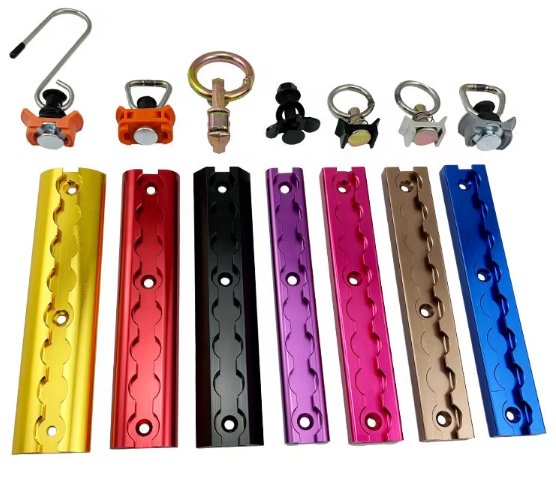
L Track for High-Mobility Trailers and Truck Beds
Securing Wheeled Equipment: Motorcycles, ATVs, and Utility Carts
L track systems bring real flexibility when it comes to securing wheeled items during transportation across different conditions. The modular setup lets users create adjustable tie down spots anywhere along the track length, which means they can be configured just right for things like motorcycles, ATVs, or those utility carts people always seem to need. What makes this so important? Well, preventing cargo from moving around becomes absolutely essential during emergency braking situations or rough terrain driving, particularly for heavier vehicles where balance matters most. Each attachment point on these tracks handles well over 6,500 pounds of force, way beyond what regular D rings can manage. Plus, since the whole system sits low to the ground, there's no wasted space inside the vehicle. And those special coatings help fight rust and damage from dirt and rain too. The quick release features really come in handy for folks who rent out equipment regularly or anyone needing to switch up their load configuration often between trips.
Heavy Load Restraint: Farm Machinery, Construction Materials, and Industrial Gear
When dealing with really big industrial items, L track is great for distributing weight and protecting structures. The continuous rail design keeps heavy machinery stable on trailers. Think about things like tractors, harvesters, those massive steel beams, concrete barriers and all sorts of piping. Instead of putting all the strain on one spot, the system spreads out the pressure across several attachment points. This helps prevent those stress spots that can eventually wreck trailer frames over time. Another benefit comes from the integrated fittings which cut down shock transmission by around 40% when compared to just using chain binders. That makes a real difference for transporting delicate equipment that gets damaged easily by vibrations. The system has been tested extensively too. It holds up under FAA requirements after thousands of loading cycles, so contractors know they can rely on it for critical transports between different job locations without worrying about breakdowns or safety issues.
L Track in Vans and Enclosed Trailers: Precision Security and Space Efficiency
Medical & Emergency Vehicle Fit-Outs: Protecting Sensitive, Mission-Critical Equipment
When medical teams rush patients to hospitals, their life-saving gear needs to stay put no matter what happens during those intense turns and stops. That's why L track systems offer pinpoint accuracy for securing equipment like defibrillators, oxygen tanks, and ventilators. These tracks come with adjustable points that can handle weirdly shaped items without taking up precious room inside the vehicle. The steel parts holding everything down can take up to 10,000 pounds of force each according to research from Ponemon Institute back in 2023, which means nothing gets loose even when things get bumpy on the road. What makes this system really stand out is how easy it is to switch configurations depending on whether we need a setup for kids, trauma cases, or full blown ICU conditions. Plus, there are special versions made from aluminum that won't rust, so they work just as well in rainstorms as they do under bright sun. Mounting equipment vertically frees up valuable floor space for stretchers and lets staff move around freely. Studies show that this kind of smart space management matters a lot - around 92% of mobile ICUs report better results when they have enough room to work properly.
Luxury and Race Car Transport: Balancing Aesthetics, Safety, and Quick-Release Functionality
Moving expensive cars around requires special restraint systems that keep those fancy finishes looking good, stay secure, and don't draw attention. Take L Track for instance their rails are only 1.5 inches tall which means they take up about 6% less wall space compared to the big bulky options out there making them fit right into those luxury trailers without sticking out like sore thumbs. The mounts are recessed so they never actually touch the car's paint job, and those quick release mechanisms let someone adjust the tension really fast just takes about five seconds total something that matters a lot when time is money in pit stops. When it comes to floor channels, smart placement spreads the weight evenly across suspension points cutting down on side force impacts by roughly 40% even when going through tight corners at speed. Plus being able to design custom anchor patterns means race harnesses can line up exactly where they need to with the car's structural points all while keeping plenty of room for cargo and maintaining that clean look nobody wants to see anything ugly sticking out from behind.
Specialty Environments: Corrosion-Resistant and Multi-Axis L Track Applications
Marine, Aviation, and RV Interiors: Adapting L Track for Humidity, Vibration, and Compact Layouts
Transport settings that need specialized handling often call for specifically designed L track solutions. When looking at marine environments, we find that aerospace grade aluminum stands up against saltwater corrosion roughly three times better than regular galvanized steel according to research from Transportation Materials Lab back in 2023. This means equipment stays functional much longer even when exposed to constant humidity. The aviation sector has different needs altogether though. Here, the real challenge is dealing with vibrations. L tracks come equipped with built-in locking features that keep delicate electronics and cargo secure during flight turbulence. Plus they meet all those FAA standards for aircraft configurations. RV owners and camper enthusiasts benefit too. Low profile designs help save precious interior space inside these vehicles. What makes them really useful are those multi directional anchor points allowing folks to fasten things vertically as well as horizontally. This secures everything from kitchen appliances to medical equipment or just general gear without eating into valuable living area. All these customizations explain why L track works so well in situations where normal restraint methods fail because of water exposure, movement issues, or tight spaces.
Installation Method Determines L Track Performance and Use Case Fit
Flush-Mount vs. Channel Routing: Trade-offs in Load Rating, Cleanliness, and Structural Integration
How an L track gets installed really affects how well it performs, what kind of safety margins we can expect, and whether it works for particular jobs. When we go with flush mount systems, the track sits right inside the material itself. This helps keep the structure strong, stops dirt and grime from collecting in corners, and gives us that smooth surface that's easy to wipe down. These features make flush mounts especially good for places where cleanliness matters a lot, such as hospitals moving equipment around or food processing areas where contamination is a big concern. On the other hand, channel routing means mounting the track on top of a groove cut into the surface. While this approach lets technicians install things quicker during retrofits, it actually cuts down the weight capacity by roughly 30 percent unless everything gets properly supported and fastened. Looking at industry stats, most problems with cargo handling come not from faulty hardware but poor installation practices. That's why picking the right method and making sure it gets done correctly remains so critical in real world operations.
| Factor | Flush-Mount | Channel Routing |
|---|---|---|
| Max Load | 2,000 lbs per anchor | 1,400 lbs per anchor |
| Cleanliness | Seamless surface | Debris-prone grooves |
| Installation | Requires structural modification | Direct bolting, no routing needed |
| Best For | Aircraft, RVs, medical interiors | Temporary truck bed setups, field retrofits |
Heavy-duty or vibration-sensitive applications such as aviation cargo holds or mobile ICUs require flush-mounted installations for optimal rigidity and fatigue resistance. Channel routing remains valuable for mobile, short-term, or rapidly reconfigurable setups but always requires robust backing plates to prevent warping under multi-axis loads.