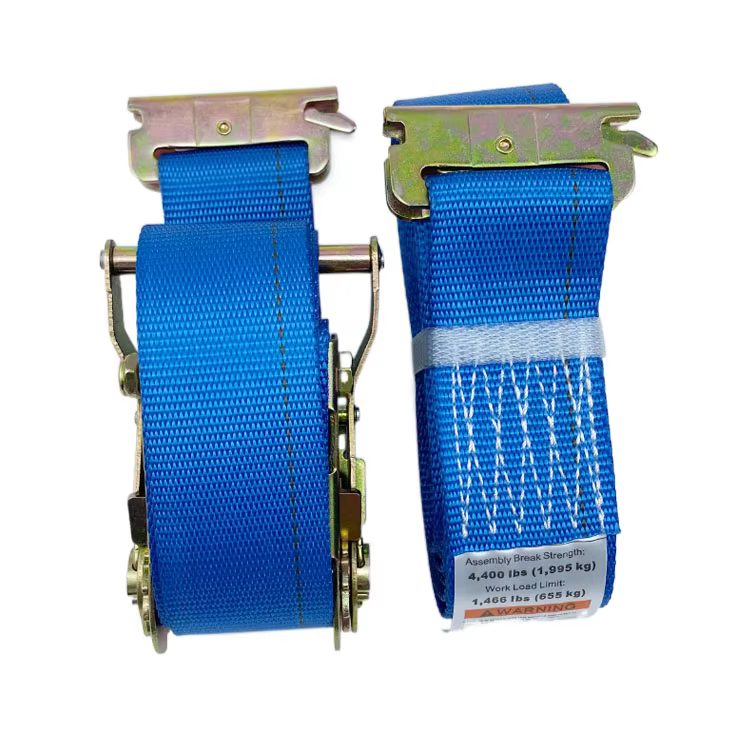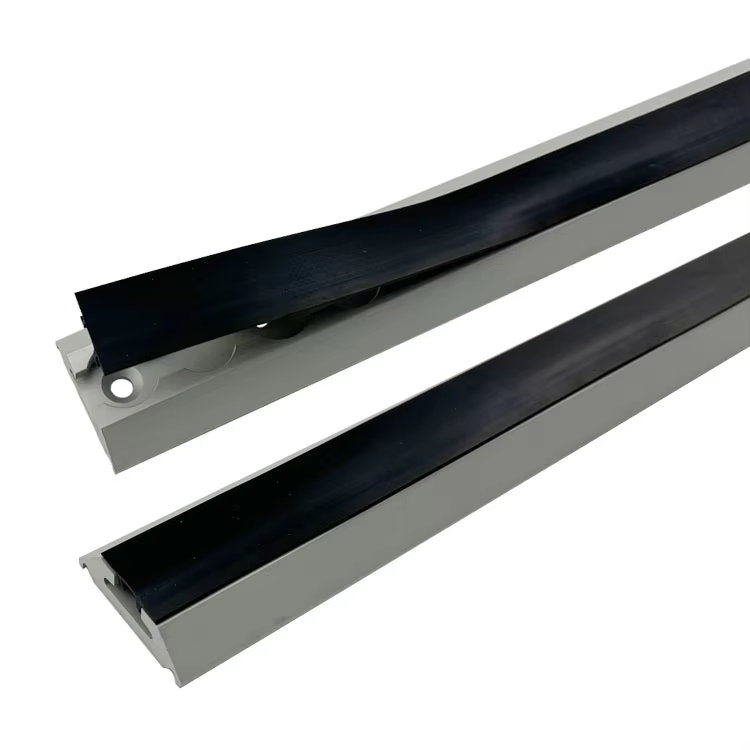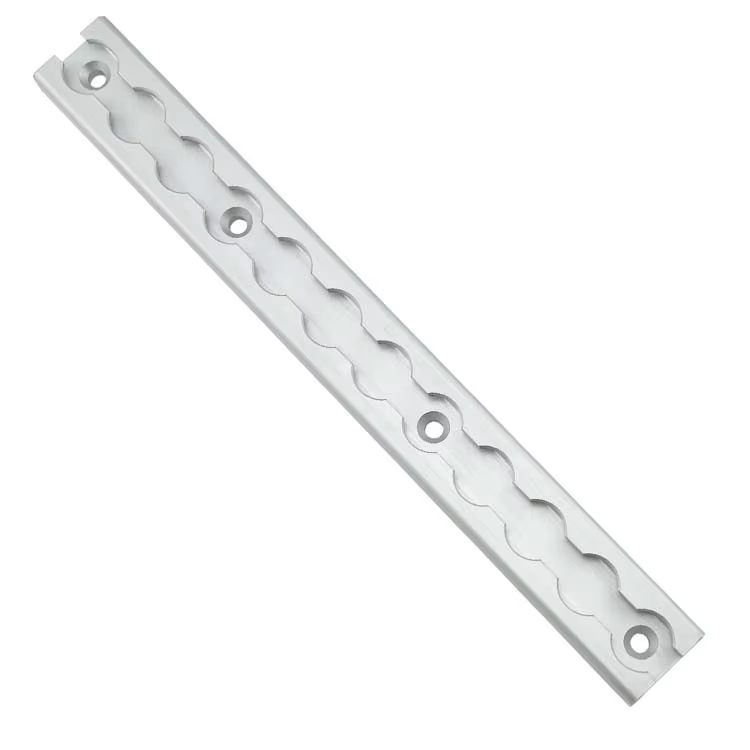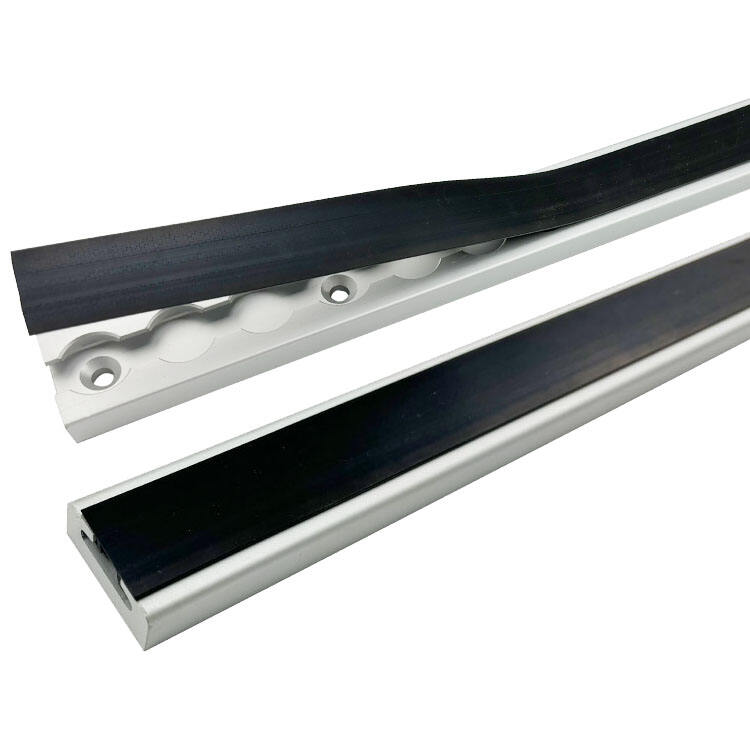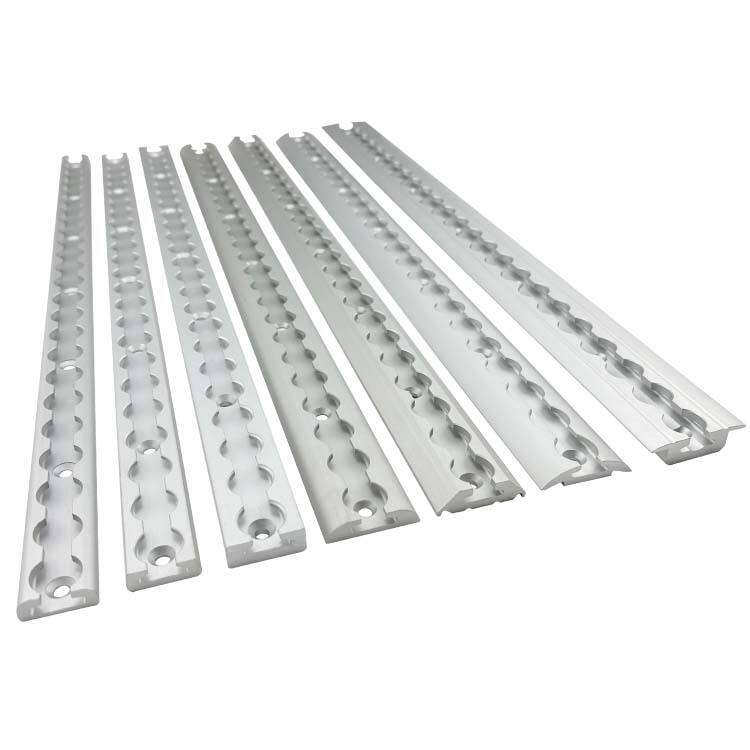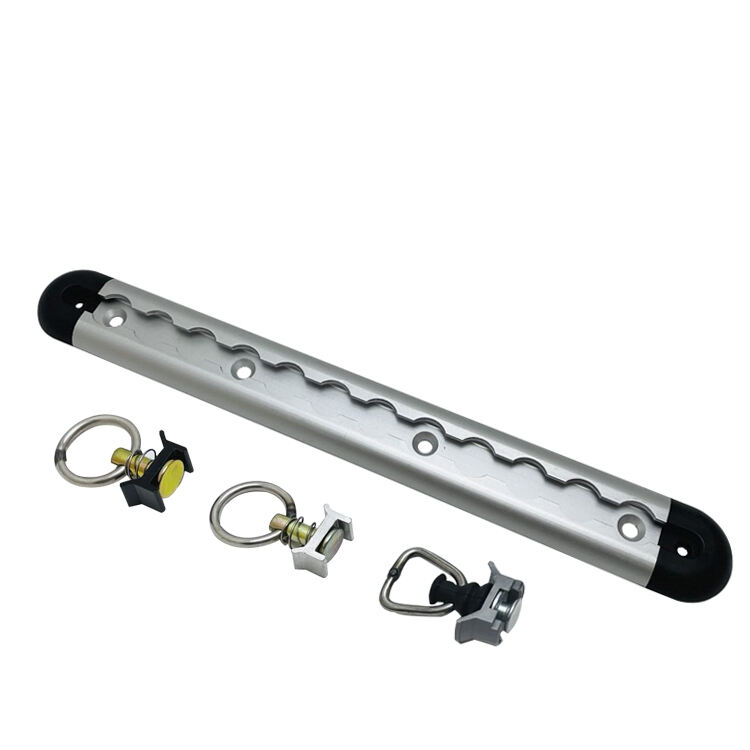
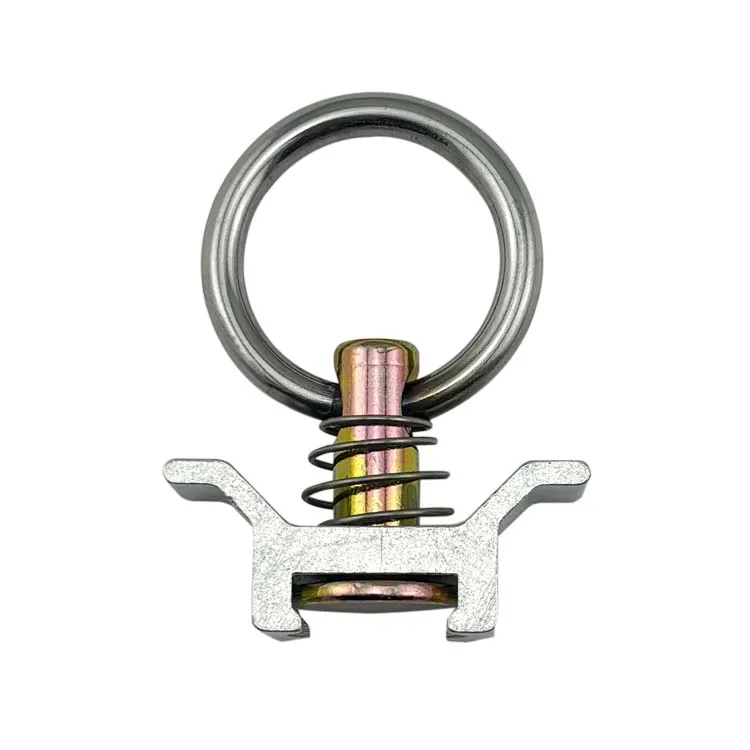
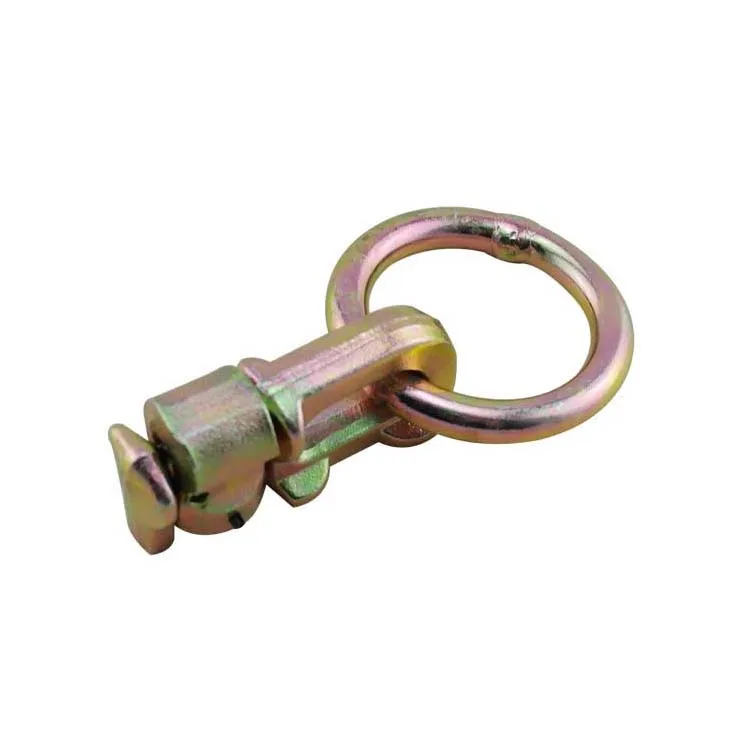
Airline L track systems are specialized securing solutions designed to meet the stringent demands of aviation, where lightweight construction, high strength, and compliance with safety regulations are paramount. Fabricated from aircraft-grade aluminum alloy (6061-T6) or titanium, these tracks offer an exceptional strength-to-weight ratio, critical for reducing fuel consumption while withstanding the dynamic forces of takeoff, landing, and turbulence. They feature a narrow profile (typically 1–1.5 inches wide) to fit within cabin or cargo hold constraints, with precision-machined slots that accept fittings rated for aviation use, such as quick-release tie-downs or equipment brackets. Compliance with FAA (Federal Aviation Administration) and EASA (European Union Aviation Safety Agency) standards is mandatory, ensuring resistance to flame, corrosion, and fatigue. These tracks secure diverse items: passenger luggage in overhead bins, galley equipment, medical supplies, or cargo in freight holds. Fittings often include locking mechanisms with redundant safety features to prevent accidental release, while the track’s surface may be anodized to resist wear from frequent use. Installation requires adherence to strict aerospace protocols, with fasteners made from corrosion-resistant materials like Inconel. Beyond functionality, airline L track systems support rapid reconfiguration—essential for adapting to varying cargo or seating layouts enhancing operational efficiency for airlines. Their ability to combine safety, durability, and adaptability makes them indispensable in commercial and military aviation.