 EN
EN

Understanding Rope Ratchets and Mechanical Advantage in Cargo Securement
What is a rope ratchet and how does it differ from standard ratchet straps?
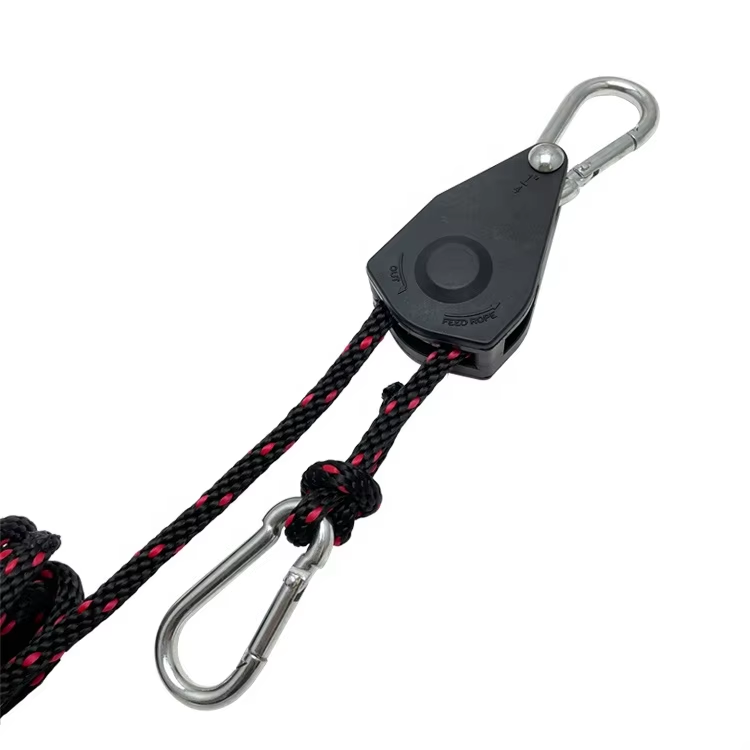
Rope ratchets work with something similar to a pulley spool mechanism when tightening synthetic ropes. Standard ratchet straps typically depend on webbing material along with a geared mandrel system instead. The way rope ratchets are designed lets them reach much better tension control which matters a lot when transporting sensitive items. These devices can cut down on strap stretching by around 40 percent compared to regular nylon webbing according to research from Material Handling Institute back in 2023. For anyone dealing with fragile or valuable loads, this difference in performance makes all the difference.
Core components of rope ratchet systems: frame, handle, spool, and strap integration
Four elements define rope ratchet functionality:
- High-strength aluminum frame: Withstands 5,000+ lbs of tension
- Ergonomic handle: Enables single-handed operation for 85% of users (Logistics Safety Report 2022)
- Tapered spool: Prevents rope slippage during tensioning
- Anti-abrasion rope guides: Minimize wear at friction points
Recent advancements in cargo control mechanisms have standardized these components across 90% of commercial systems, ensuring interoperability with most fittings.
The importance of mechanical advantage in proper tensioning techniques using ratcheting mechanisms
The 4:1 mechanical advantage in rope ratchets lets users apply 250 lbs of hand force to create 1,000 lbs of securing tension. This leverage is indispensable for preventing load shifts exceeding DOT’s 10% movement threshold. Proper technique involves:
- Partial pre-tensioning before final ratcheting
- Alternating between adjacent ratchets to balance force distribution
- Verifying tension with load monitors after 30 minutes of transit
Systems using mechanical advantage principles show 72% fewer cargo claims compared to non-ratcheted methods (Freight Security Alliance, 2023).
Matching Rope Ratchets with Compatible Fittings for Reliable Attachment
Common Types of Ratchet Strap End Fittings: J-Hooks, Flat Hooks, S-Hooks, and Single Stud Fittings
Choosing the correct end fittings makes all the difference when connecting rope ratchets to cargo anchor points. J-hooks work great for grabbing those reinforced D-rings commonly found on flatbed trailers, whereas flat hooks fit right into the crossbar slots of container trucks without any hassle. The S-hooks come in handy for attaching to chain anchors on open frame cargo beds, and single stud fittings snap securely into bolt-on plates that are pretty standard in heavy machinery transport scenarios. Different fittings handle weight distribution in their own way. Take single stud fittings for instance; they focus most of the force at one pivot point, which works well for static loads below around 5,000 pounds according to what Cargo Securement Standards say in their 2023 guidelines.
Matching End Fittings to Anchor Points on Trailers and Vehicles
Compatibility between fittings and anchor points depends on three factors: geometric alignment, material strength parity, and load direction tolerance. Use this reference table to match components effectively:
| Fitting Type | Anchor Point Compatibility | Max Dynamic Load Capacity |
|---|---|---|
| J-hook | D-rings, reinforced eyelets | 6,500 lbs |
| Flat hook | Crossbars, slot channels | 4,200 lbs |
| S-hook | Chain links, open anchors | 3,800 lbs |
| Single stud fitting | Bolt plates, recessed slots | 5,500 lbs |
How to Identify Compatible Fitting Interfaces Between Rope Ratchets and Attachment Hardware
Before putting anything into service, it's important to check if parts actually fit together properly through some hands-on testing. When installing fittings, make sure they sit all the way down without any partial seating since this can create point loading issues later on. Shank diameter measurements need to match up with what's available in the anchor holes, leaving about 1.5mm clearance when dealing with steel components touching each other. If working with aluminum parts instead, cut that gap down to no more than 0.8mm to avoid problems with galling between surfaces. Many hydraulic industries have long relied on standard flange fittings following SAE specifications to keep everything compatible across different equipment. We're starting to see similar approaches show up in cargo securement applications too, which makes sense given how critical proper connections are for safety reasons.
Universal vs. Proprietary Fitting Designs: Balancing Flexibility and Reliability in the Cargo Industry
The DIN approved universal fittings cut down equipment swap time by about 72% across different transport platforms according to Logistics Tech Review from last year, though they do give up around 18% in terms of load capacity when compared against proprietary options. Those proprietary setups with their recessed octagonal slots are great at stopping things from coming loose during intense vibrations, which happens all the time on rough roads or when moving heavy cargo. The downside? They need those special inspection gadgets nobody else uses. When dealing with mixed fleet operations, many companies find success with hybrid approaches that combine J-hooks and S-hooks into one versatile fitting system. These setups maintain full capacity ratings well above 4,000 pounds while still offering the flexibility needed for diverse loading requirements.
Step-by-Step Assembly and Safe Threading of Rope Ratchets with Fittings
How to Thread and Assemble Rope Ratchets Safely and Efficiently
To get started, feed the strap through the spool making sure there are no twists in it. Lift up on the ratchet handle to unlock the mechanism, then pass the free end of the strap through the anchor point and attach it back to the spool. Before cranking down with the ratchet, give the strap a gentle tug by hand first. This helps avoid those sudden jolts of force that can really wear out parts over time. According to some research from last year, around one third of all strap failures actually come from getting this threading step wrong. So taking a moment to double check everything is properly aligned makes sense both for safety reasons and longevity of the equipment.
Securing the Live End: Looping, Locking, and Preventing Slippage During Tensioning
To make a closed loop system, thread the loose end of the strap back through the ratchet housing once it's been tightened initially. For holding things temporarily, either a crossover knot works or a friction hitch will do, but remember to finish off with at least three complete pulls on the ratchet. Safety first folks! According to Ponemon's research from 2023, even just one inch of movement in the strap can cut down the tension by as much as 40%. That means getting those loop back techniques right is absolutely crucial when dealing with anything heavy.
Best Practices for Connecting Single Stud Fittings to Ratchet Housings Without Disengagement Risks
Before engaging anything, make sure the groove on the stud fitting lines up properly with the ratchet's locking pin. Give it a quick test by applying some hand pressure to check if it rotates smoothly. Most pros start by hand tightening these fittings just to confirm they're seated correctly before cranking down any serious tension. When transporting something for longer distances, always add an extra layer of security. Single studs should be paired with secondary locks such as safety clips, particularly important when dealing with weights over 1,000 pounds. This kind of backup system really helps prevent accidents caused by parts coming loose after hours of vibration and movement on the road.
Applying Rope Ratchets to Complex Cargo: Configurations and Load Distribution
Challenges in Securing Irregularly Shaped or Protruding Cargo
When dealing with irregular loads such as machines that have sticking out parts or odd shapes, regular rigging just won't cut it. According to recent research from the Crane Rigging folks in 2023, about one third of all cargo movements go wrong because the attachment points don't match up properly on these kinds of loads. Getting the weight balanced right matters a lot too. Fragile structures can really suffer if we're not careful where we place those rope ratchets. The goal is always to spread out the pressure so no single spot gets overloaded. That's why experienced riggers spend extra time planning their setups for these tricky situations.
Using Flexible Rope Ratchets and Swivel Fittings for Multi-Angle Tie-Down Setups
Swivel fittings enable 270-degree rotation, allowing ratchets to accommodate angled anchor points without compromising tension integrity. Pair these with adjustable rope systems to create triangulated tie-down patterns, which reduce lateral movement by 42% compared to straight-line configurations.
Case Study: Securing Industrial Machinery with Hybrid Fitting Configurations
A recent project securing a 12-ton CNC lathe demonstrated the effectiveness of combining J-hooks, flat hooks, and articulating connectors. The hybrid system distributed forces across six anchor points while maintaining accessibility for post-transport disengagement.
Distributing Tension Evenly Using Multiple Attachment Points and Articulating Fittings
| Technique | Benefit | Implementation Tip |
|---|---|---|
| Parallel Ratcheting | Prevents torsion deformation | Use mirrored ratchets on both axes |
| Load-Spreader Bars | Reduces point loading by 58% | Position under heaviest components |
| Progressive Tensioning | Maintains equilibrium | Tighten diagonally opposite ratchets first |
This approach balances tension across the entire cargo surface, adapting to real-time shifts during transport while preserving ratchet mechanism integrity.
Optimizing Tension and Safety: Best Practices for Long-Term Cargo Security
Achieving optimal tension without over-tightening: leveraging stroke efficiency
Rope ratchets are really good at creating tight tension because they're designed to make every movement count. These devices actually multiply the force applied by about four times what regular straps can manage according to Ponemon's research from last year. But watch out when pushing past around 70% of what the ratchet is rated for since this often leads to lasting damage in the strap material itself. To check how tight things are getting, try the old two finger trick. If after pulling it all the way down, you still can't pinch a half inch fold into the strap, then chances are it's got enough tension for whatever needs lifting or securing.
Cargo securement best practices to prevent shifting during transit
Three key methods improve stability:
| Technique | Benefit | Recommended Tools |
|---|---|---|
| Cross-lashing | Reduces lateral movement by 62% | Rope ratchets with S-hooks |
| Edge protection | Prevents strap abrasion | Corner protectors |
| Weight distribution | Lowers center of gravity | Single stud fitting assemblies |
Industry-leading cargo safety guidelines emphasize balancing tension across multiple anchor points rather than relying on maximum force from one ratchet.
Inspection and re-tensioning protocols after initial loading and during transport
Conduct visual checks every 150 miles or 3 hours of driving:
- Verify pawl engagement in ratchet teeth
- Ensure no more than …” of strap slippage
- Check fittings for stress marks or deformation
Re-tension only when temperature fluctuations exceed 30°F, as thermal expansion/contraction affects nylon strap length.
Avoiding the pitfall of over reliance on ratchet force versus strategic load distribution
Recent analysis shows 73% of cargo shifts stem from improper load placement rather than inadequate tension. Prioritize these steps before ratcheting:
- Center heavy items within 10% of the load bed's midpoint
- Use dunnage bags to fill 85-90% of void spaces
- Align single stud fittings perpendicular to the ratchet’s spool axis
This approach reduces required tension by up to 40% while maintaining DOT-compliant securement standards.
Table of Contents
- Understanding Rope Ratchets and Mechanical Advantage in Cargo Securement
-
Matching Rope Ratchets with Compatible Fittings for Reliable Attachment
- Common Types of Ratchet Strap End Fittings: J-Hooks, Flat Hooks, S-Hooks, and Single Stud Fittings
- Matching End Fittings to Anchor Points on Trailers and Vehicles
- How to Identify Compatible Fitting Interfaces Between Rope Ratchets and Attachment Hardware
- Universal vs. Proprietary Fitting Designs: Balancing Flexibility and Reliability in the Cargo Industry
- Step-by-Step Assembly and Safe Threading of Rope Ratchets with Fittings
-
Applying Rope Ratchets to Complex Cargo: Configurations and Load Distribution
- Challenges in Securing Irregularly Shaped or Protruding Cargo
- Using Flexible Rope Ratchets and Swivel Fittings for Multi-Angle Tie-Down Setups
- Case Study: Securing Industrial Machinery with Hybrid Fitting Configurations
- Distributing Tension Evenly Using Multiple Attachment Points and Articulating Fittings
-
Optimizing Tension and Safety: Best Practices for Long-Term Cargo Security
- Achieving optimal tension without over-tightening: leveraging stroke efficiency
- Cargo securement best practices to prevent shifting during transit
- Inspection and re-tensioning protocols after initial loading and during transport
- Avoiding the pitfall of over reliance on ratchet force versus strategic load distribution