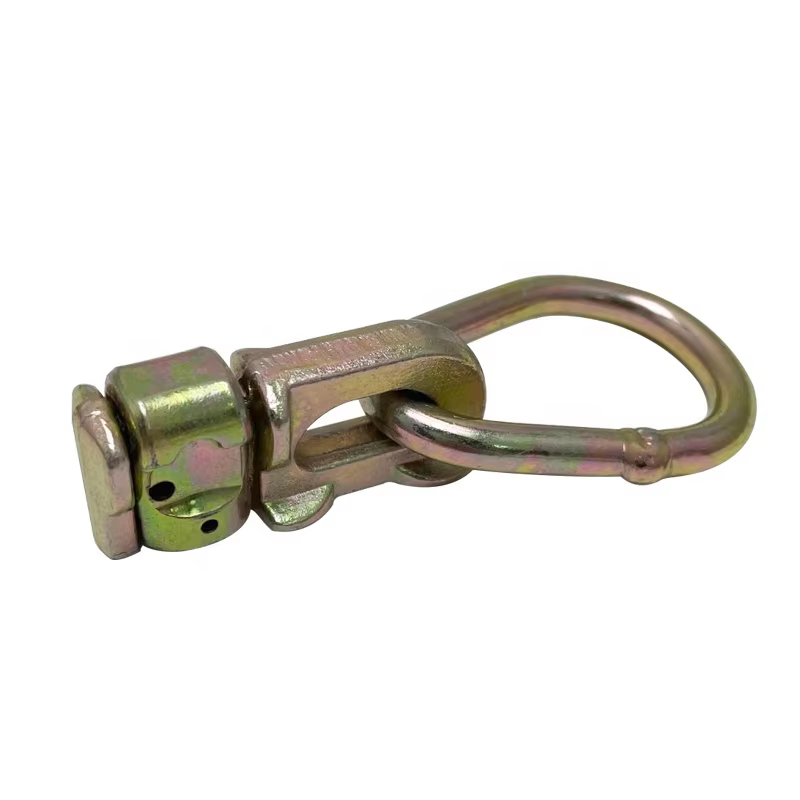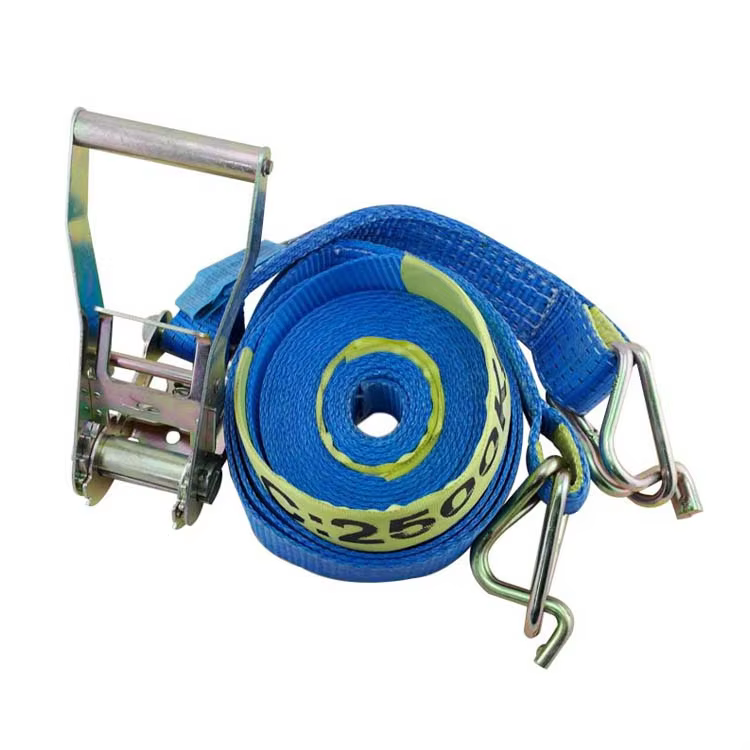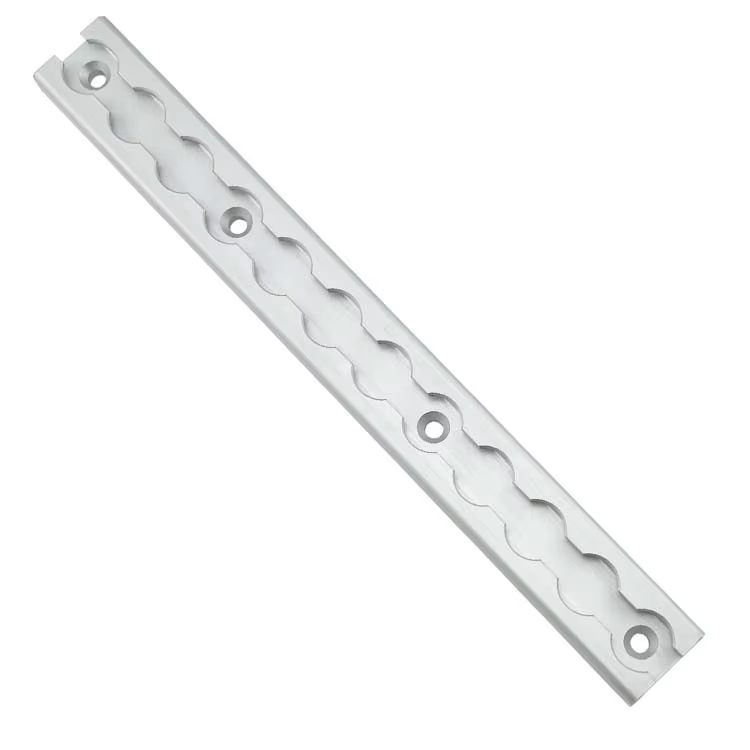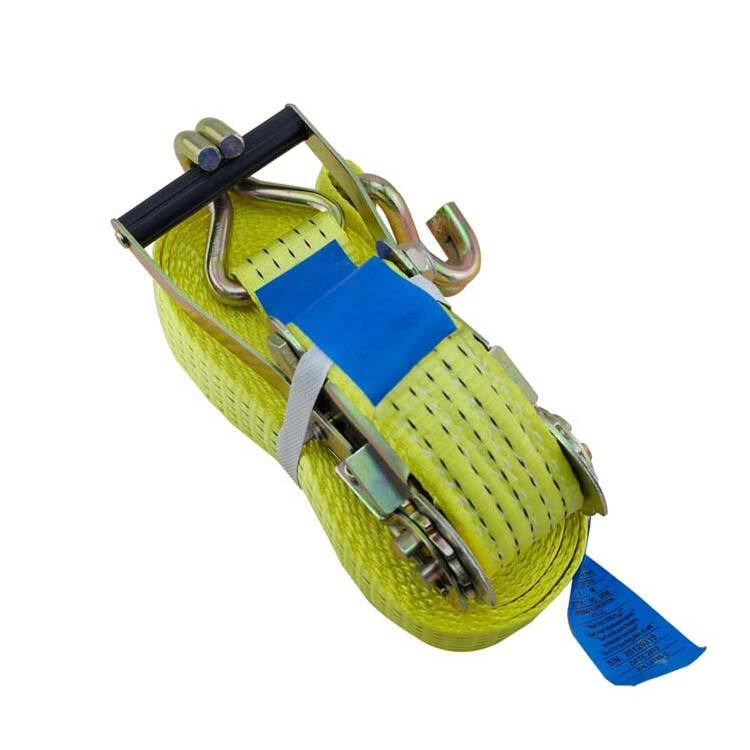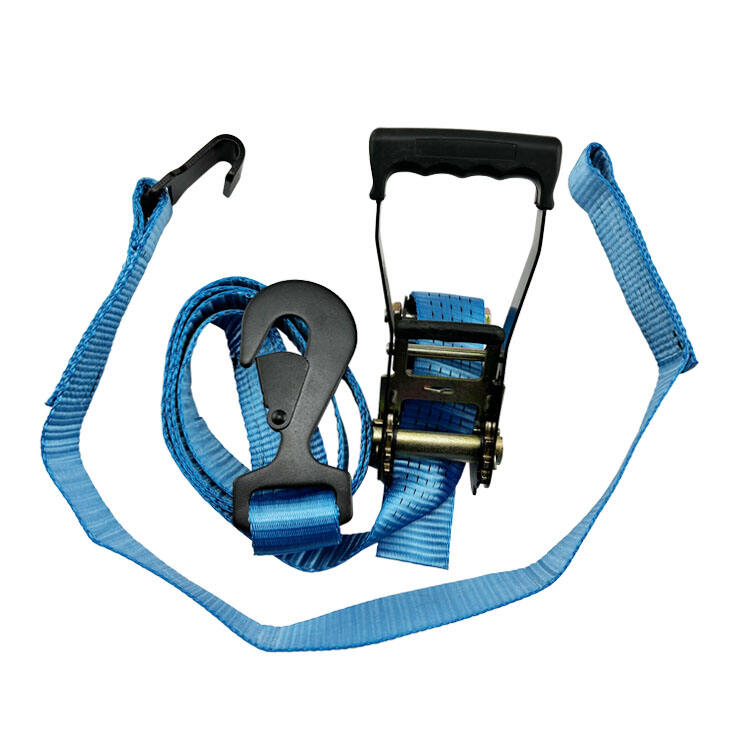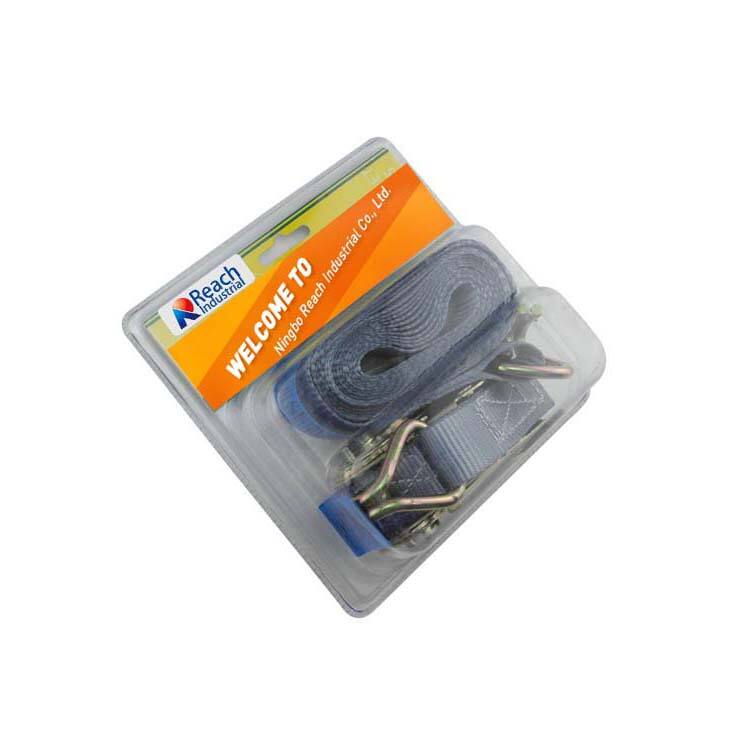
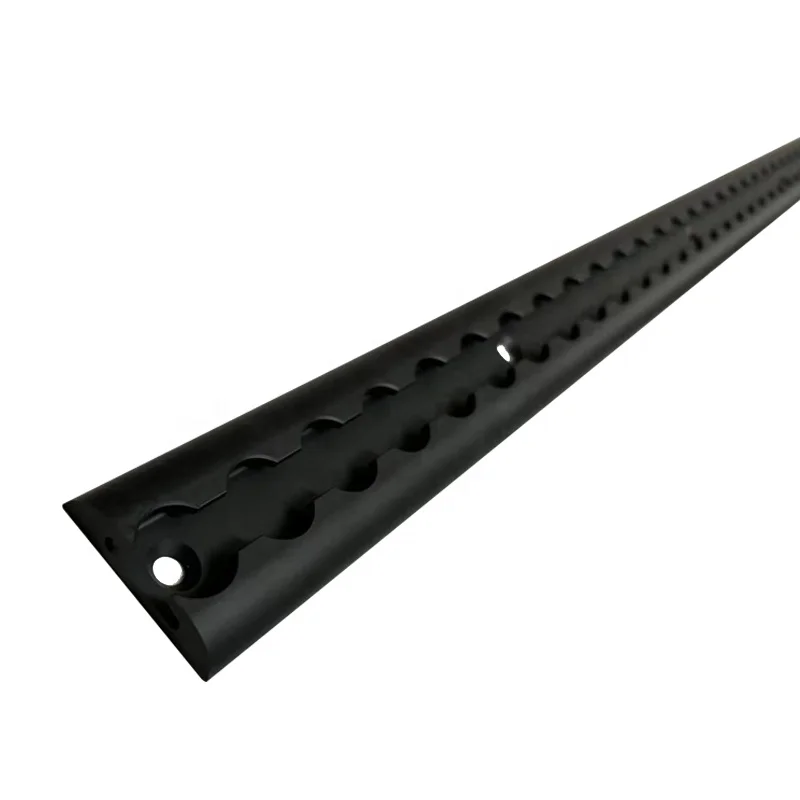
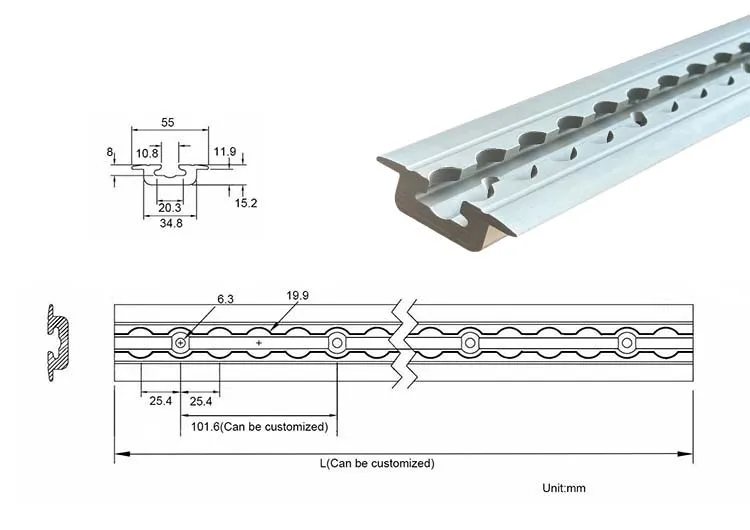
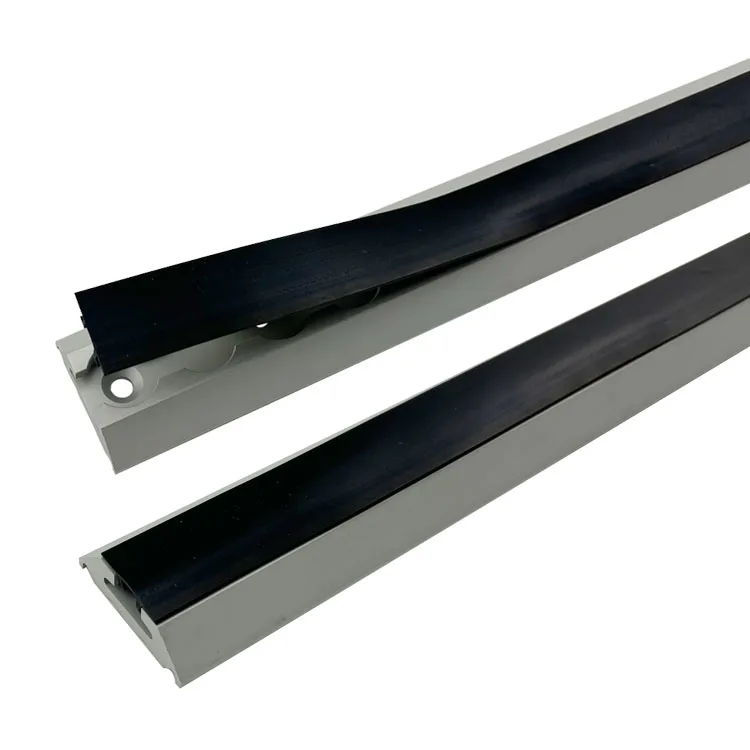
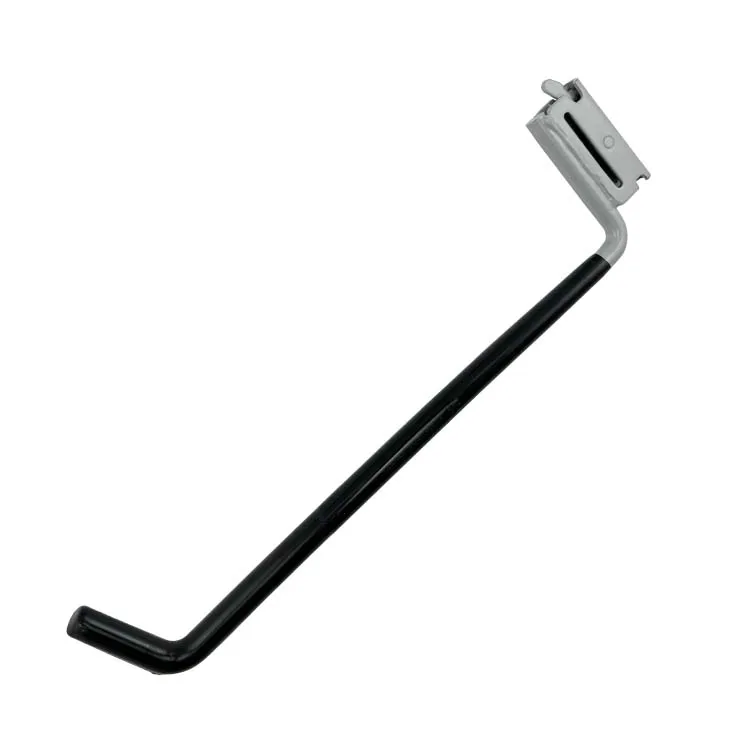
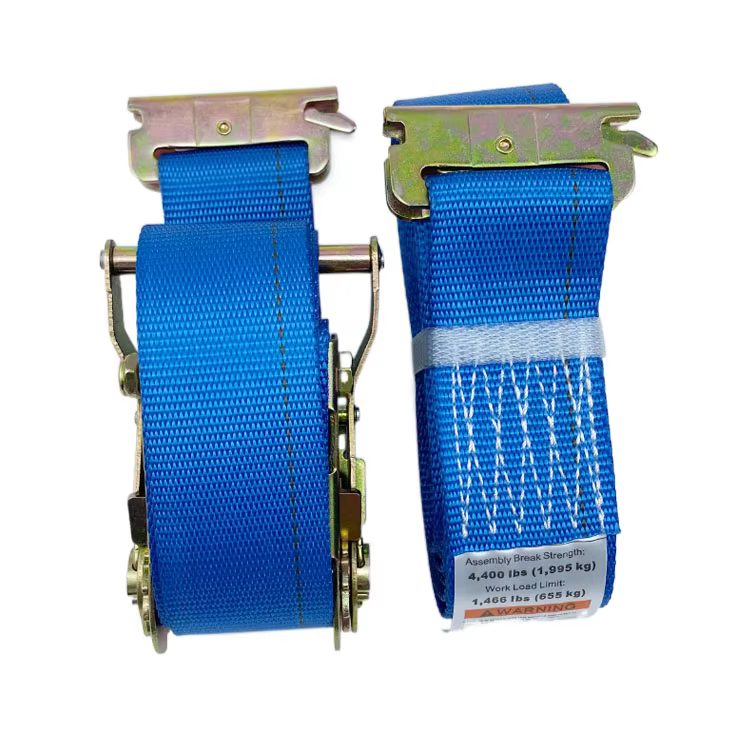
Cargo belts designed for appliance delivery prioritize protection and ease of use, addressing the need to secure large, fragile items like refrigerators, washing machines, and ovens without causing surface damage. Constructed from a blend of polyester and nylon webbing, these belts offer moderate tensile strength (3,000–6,000 pounds breaking strength) to prevent excessive pressure that could dent or scratch appliance exteriors. A defining feature is the soft, non-marring contact points: hooks or loops lined with rubber or foam padding that grip surfaces gently while preventing slippage. The adjustment mechanism is typically a lightweight cam buckle with a smooth release, allowing delivery personnel to secure appliances quickly without specialized tools—a critical advantage for last-mile delivery efficiency. Lengths range from 6 to 20 feet, accommodating various appliance dimensions, and the webbing’s slight elasticity (5–8% stretch) absorbs minor vibrations during transport, reducing stress on delicate internal components. Many belts include a built-in tension indicator, a visual marker that signals when optimal tightness is achieved to avoid over-tightening. For added safety, some models feature a secondary locking tab on the buckle to prevent accidental release during transit. These belts are designed to work with standard delivery vehicle tracks or anchor points, making them versatile for use in vans, trucks, or even moving containers, ensuring appliances arrive at their destination in pristine condition.