 EN
EN

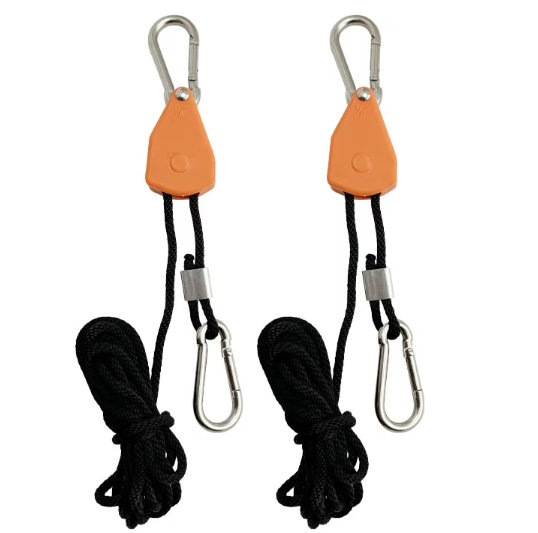
הבנת גבול עומס עבודה (WLL) והתפקיד שלו בניהול בחירת רימונים חשמליים
מהו מגבלת עומס עבודה (WLL) ומדוע הוא חשוב לבטיחות המטען
מגבלת עומס עבודה, או בקיצור WLL, בעצם אומרת לנו איזה משקל יכול ראצ'ט חבל לשאת בבטחה כאשר הוא בשימוש רגיל. אם מישהו חורג ממגבלה זו, יש סיכוי גבוה בהרבה שהרצועה תישבר או שהמטען יזוז, מה שיוצר מצבים מסוכנים. רוב ראצ'טי החבל במשקל של 1,000 פאונד בדרך כלל לא יישברו עד שהם מגיעים לכ-3,000 פאונד. הסיבה לכך היא שהיצרנים בונים מה שנקרא מרווח בטיחות של 3:1 בהתאם לתקנים שנקבעו ב-ASME B30.9 משנת 2023. עמידה בכללי WLL אלה עושה הבדל גדול בבטיחות במקום העבודה. על פי נתונים עדכניים מדוח הבטיחות של משרד התחבורה לשנת 2023, הקפדה על מגבלות עומס נכונות מפחיתה את הפציעות בתעבורה כמעט בחצי, וזה די מרשים בהתחשב בכמה תאונות עדיין מתרחשות למרות כל התקנות.
איך מתייחס WLL לכוח השבירה (BS) ולגורם הבטיחות התקני
WLL וקיבולת שבירת (BS) הן מדדים שונים החשובים להפעלה בטוחה:
| מטרי | מטרה | יחס טיפוסי ל-BS |
|---|---|---|
| גבול עומס עבודה | מגבלה אופרטיבית בטוחה | 1/3 מ-BS |
| עוצמת שבר | נקודת כשל מוחלטת | 3x WLL |
מקדם הבטיחות של 3:1 מתחשב במאמצים דינמיים כגון עצירות פתאומיות, תנועת עומס ועייפות חומרים. יש לבסס תמיד תוכניות אבטחה על WLL - שימוש ב-BS מתעלם מחיצות בטיחות חיוניות שתוכננו בציוד.
תפיסות שגויות נפוצות: WLL לעומת קיבולת שבירת ביישומים בעולם האמיתי
הטעות הנפוצה שאנשים עושים היא לחשוב שוספת רצועות פשוט מוסיפה את הקיבולת שלהן ישירות, מבלי לקחת בחשבון איך זוויות משפיעות על הדברים. קחו לדוגמה את הסיטואציה הזו: אם מישהו מקשר ארבעה מניעים עם حد משקל עבודה של 1,000 פאונד בזווית של כ-45 מעלות, הם יקבלו כ-2,828 פאונד של כוח אחיזה אמיתי בגלל חישובי הכוח הווקטורי, ולא את ה-4,000 פאונד השלמים שאולי ציפו. דירוגי حد משקל העבודה מניחים שכל הציוד במצב מושלם. לפי ההמלצות של OSHA, כשמדובר בפסים משומשים או פגומים всולר, על העובדים להפחית את קיבולת המדרגת שלהם בין 20% ו thậm 50%. וזכרו, מספרי חוזק השבירה נלקחים ממבחני מעבדה שמראים בדיוק מתי משהו נכשל. לא ينبغي להשתמש בהם כנקודת התייחסות עיקרית לקביעת אילו עומסים בטוחים במהלך פעולות בשטח.
התאמת קיבולת רימוז החבל למשקל המטען באמצעות הנחיות מבוססות כללים
חישוב משקל המטען הכולל ו-WLL המצטבר הנדרש
בעבודה עם תקנות תחבורה, יש לזכור שהמגבלה הכוללת של עומס עבודה (WLL) מכל אמצעי הקשירה צריכה להגיע לחצי ממשקל המועבר. לדוגמה, למשלוח של 2000 פאונד, העוצמה הכוללת של חגורי הרימוז צריכה להסתכם לפחות ב-1000 פאונד. חשוב מאוד לקבל מדידות משקל מדויקות. יש להשתמש במאזניים properly קליברציה בעת מדידת מטען, כיוון שמכשירים אלו לרוב בעלי טעות של כ-2 אחוזים למעלה או למטה. עובדה זו מקבלת חשיבות מיוחדת כאשר מתמודדים עם פריטים בעלי צורה לא אחידה או עם מוצרים שונים מרובים שמונחים יחד באותו מקום.
הפצת מטען בין רימונים כדי להימנע מעומס יתר על רימוני חבל בודדים
הפצה לא נכונה של המטען גורמת ל-38% ממקרי זיחול סחורה, לפי הסוכנות לבטיחות תחבורה (2023). עקוב אחר כללי ירידת העומס הבאים בהתאם לתצורה:
| תצורת ריסי קשירה | WLL אפקטיבי לכל ריס חבל |
|---|---|
| עוגן-לעוגן | WLL מלא |
| עיגון-למטען | 50% מ-WLL המדורג |
| תלייה מרובת נקודות | 75% מ-WLL המדורג |
לדוגמה, ארבעה רימוני WLL של 500 ליברות המשמשים בתצורת עיגון-למטען מספקים WLL כולל של 4 – 250 ליברה = 1,000 ליברה – מה שמתאים לדרישות של מטען של 2,000 ליברה.
בחירת מספר נכון ודירוג של רימוני חבל בהתאם למסת המטען
השתמשו בנוסחה זו כדי לקבוע את מספר הרתמות:
(מספר הרימונים) = (משקל המטען – מקדם בטיחות של 1.5) · WLL של רימון בודד
עבור עומס של 3,000 ליברה הדורש כושר אפזרה של 4,500 ליברה:
- שלוש רתמות של 1,500 ליברה WLL (4,500 ÷ 1,500 = 3)
- שש רתמות של 750 ליברה WLL (4,500 ÷ 750 = 6)
קחו בחשבון כוחות דינמיים כמו בלימה ורטט של הדרך, אשר יכולים להגביר את העומס האפקטיבי ב-20–35% במהלך הנסיעה.
סוגי רתמות חבל לפי רמת שימוש: יישומים קלי, בינוניים וכבדי עבודה
רימוני חבל קלי משקל למטענים מתחת ל-1,000 ליברות
רתמות חבל קלות עוצבו עבור משקלים עד 1,000 lbs, ונעזרות לרוב בחגורות ברוחב 1 אינץ' עם WLL של 333-lb – בהתאם ליחס בטיחות 3:1. גודלם הקטן הופך אותן לאידיאליות לקשירה של אופנועים, אריזות פלטפורמה או ציוד גינה, שם קלות בתפעול היא קריטית.
רתמות חבל בינוניות לשימוש לקשירת מטענים בטווח הביניים
אידיאלי למטענים בין 1,000 ל-5,000 lbs, רתמות בינוניות מצויות עם חגורות של 2 אינץ' עם WLL של עד 1,666 lbs. הן בשימוש נרחב בהובלת משטחים שטוחים של חומרי בניין, צינורות וلفائف פלדה. מחקר בטיחות מטענים משנת 2023 מצא שהן מפחיתות הזזת מטען ב-62% לעומת שרשרות בסיסיות כאשר מקושרים פריטים בצורת אי-סדירה.
רתמות חבל כבדות לשימוש להובלת מטענים גדולים במיוחד או בעלי מסה גבוהה
מודלים כבדים תומכים בעומסים של מעל 5,000 פאונד, תוך שימוש בחגורות של 3 ′′ 4′′ וחומרה חזקה עם WLLs הנעים מ 3,300 ל 6,600 פאונד. אלה חיוניים לאבטחת חפירות, טרנספורמטורים תעשייתיים, או מבנים מראש. תכונות כמו מנגנוני פלו כפול ומרכיבים עמידים לקורוזיה שומרים על מתח בתנאים קיצוניים.
| רמת המשימה | טווח משקל | רוחב רצועה | מקרים לשימוש נפוץ |
|---|---|---|---|
| אור | < 1,000 ליש"ט | 1" | אופנועים, ציוד גינה |
| בינוני | 1,000-5,000 פאונד | 2" | חומרי בנייה, צינורות |
| כבד | 5,000+ פאונד | 3"-4" | מכונות כבדות, קופילים מפלדה |
מחקר מקרה: בחירת רשתות חבלים עבור רתכים עם מטען מעורב
צוות לוגיסטי המוביל חלקי רכב (800 פאונד) ומשאבות תעשייתיות (4,200 פאונד) השתמש במכשירים קלים עבור המטען הקל יותר ובשלוש יחידות בינוניות (1,666 פאונד WLL כל אחת) עבור המשאבות. זה סיפק 4,998 פאונד של קיבולת אבטחה 18% מעל משקל המשאבה בטיחות תאימות תוך הימנעות עלויות מיותרות הקשורות למערכות כבדות.
שיטות עבודה מומלצות לאבטח מטענים ולשימוש במשקולות חיבורים
טכניקות להערכת משקל מטען מדויקת
התחל עם מדידות משקל מדויקות באמצעות מאזני תעשייה מאולפים. עבור מטענים לא סימטריים, יש ליישם אסטרטגיות הפצת מטען כדי להימנע מריכוז לחצים. נתוני תעשייה משנת 2025 מראים כי 73% ממקרי העברת מטען מתרחשים כאשר משקל המטען בפועל עולה על ההערכה הראשונית ב-15% או יותר.
הirsch והצבת משקולות חיבורים בצורה נכונה למניעת הזזת מטען
הצב את המשקולות בזוויות של 30°–45° ביחס למשטח המכולה כדי למקסם העברת כוח. הirsch את ремז'ים לכ-שליש מהמשקל המותר לשימוש (WLL) – הצמדת יתר מגדילה את ההתבלה ב-40%, לפי נתוני FMCSA משנת 2023. השתמש בתבניות קישור צלב למטענים גבוהים או לא יציבים כדי ליצור מתיחות מאוזנת שמתמודדת עם דינמיקת הדרך.
בדיקה ותחזוקה תקופתיות של משקולות חיבורים לצורך התאמה לדרישות בטיחות
בדיקות חודשיות של מנגנוני ראצ'ט חיוניות לאיתור כתמי שחיקה, במיוחד בהתבוננות בחלקי הכף הקטנים ובקפיצים שמתחת. יש להחליף מיד כל חלק שמראה כיפוף של יותר מ-2 מילימטרים. למטרות שמירת רישומים, רוב הסניפים משתמשים כיום בתגי RFID או ברקודים כדי לעקוב אחר ביצוע כל בדיקה, מה שעוזר לעמוד בביקורות FMCSA המעצבנות. אל תשכחו גם את רצועת הפוליאסטר. גם אם היא נראית בסדר אחרי שנתיים, הגיע הזמן להחליף אותה בכל מקרה. השמש גובה מחיר מחומרים אלה, ומפחיתה את חוזק השבירה שלהם בכ-22 אחוזים מדי שנה, על פי בדיקות שערכה מעבדת בקרת מטען בשנת 2025. עדיף להיות בטוח מאשר להצטער בכל הנוגע לאבטחת מטען.