 EN
EN

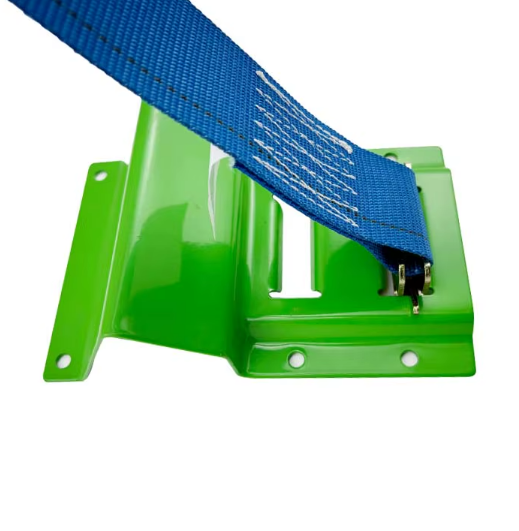
E Track Rails: Optimizing Layout for Faster, Safer Load Paths
Horizontal, Vertical, and Cross-Mount Configurations for Dynamic Cargo Flow
How we position our rails makes all the difference when it comes to keeping cargo stable and making good use of space inside transport vehicles. When E track rails are mounted horizontally on either walls or floors, they allow for side-to-side tensioning that really matters. Industry data shows this setup stops about 97% of cargo from moving around during transport. Vertical rail setups open up new possibilities too. They turn empty space above into storage levels, which means we can fit roughly 30 to 40% more stuff in the same trailer space. Some configurations combine both horizontal and vertical rails creating these grid-like anchor points that work surprisingly well with odd shaped items or mixed cargo loads. The flexibility here cuts down on time spent changing out equipment by about 22% compared to fixed systems. This translates to faster loading and unloading times for everything from standard pallets to delicate machinery and those tricky mixed shipments that always seem to cause problems.
Strategic Rail Spacing and Anchor Density to Reduce Repositioning Time
Proper rail placement minimizes labor-intensive repositioning during loading. Industry standards recommend the following spacing and density guidelines:
| Spacing Metric | Optimal Range | Performance Impact |
|---|---|---|
| Inter-rail distance | 12–24 inches | Prevents strap over-extension and slippage |
| Anchors per linear foot | 1–2 | Enables flexible 360° attachment points |
| Load capacity per anchor | 2,000 lbs | Aligns with standard WLL (Working Load Limit) requirements |
When anchors are spaced closer together, cargo securing times drop significantly, sometimes saving around 18 minutes per trailer based on what various logistics reports have found. Drivers can get their loads properly positioned right away without needing those extra adjustments that waste so much time during loading operations. These second attempts account for about a third of all delays in the process actually. And there's another benefit too: less need to move things around means the hardware lasts longer since it doesn't get worn out as quickly from constantly taking stuff apart and putting it back together again.
Quick-Connect E Track Accessories: Cutting Attachment and Release Time
D-Rings, J-Hooks, and O-Rings – Comparative Cycle-Time Performance in Real-World Freight Handling
The right choice between D-rings, J-hooks, and O-rings can really speed things up during tie-down work while keeping cargo secure. D-rings make it much faster to connect straps, usually taking around 10 to 12 seconds per item. That cuts down on handling time by about half compared to doing everything manually, according to recent logistics studies from 2024. J-hooks are great for chains but might take an extra 5 to 10 seconds when dealing with big or oddly shaped items because they need proper alignment. O-rings stand out for their durability and reliability, allowing workers to do multiple tie-downs within 15 seconds flat. They maintain over 95 percent effectiveness even in busy distribution centers where turnover is constant. Looking at actual data from warehouse operations shows that picking the right accessories reduces securing time per load by roughly 30 to 40 percent, which means more goods moved through facilities safely and efficiently.
Wood End Sockets and Rope Tie-Offs for Mixed-Cargo Versatility
Wood end sockets work great with rope tie-offs when dealing with all sorts of different cargo situations. The wood end sockets attach firmly to wooden platforms in just about 15 seconds flat, no need for any extra tools at all. This cuts down on setup time roughly half for stuff that comes on pallets according to industry reports from last year. When it comes to odd shaped items such as heavy machinery parts, bundles of pipes, or those awkward oversized components, rope tie-offs handle them pretty well too. Most people report getting things tied down within around 20 seconds, which is actually about twice as fast compared to older methods we used before. Putting these two together makes a big difference in warehouses where multiple types of freight get loaded daily. Workers find themselves adjusting equipment settings much less often now, maybe even 40% fewer times than they did previously. Plus loads stay stable throughout transport, making switching from one type of cargo to another go smoother overall.
Load Bars and Shoring Beams: Maximizing Cube Utilization While Reducing Labor
Deployment Speed and Stability Advantages Over Traditional Blocking & Bracing
Load bars and those shoring beams basically eliminate the whole hassle of wood blocking that takes forever to set up. Traditional methods? They eat up at least 15 minutes just measuring, cutting, and trying to wedge everything properly. Not so with these E track accessories though. Install them in seconds thanks to those handy ratchet mechanisms and locking heads that click right into place on the rails. Logistics companies report saving around 40% on labor time per load cycle when switching to this system. The steel construction can handle massive amounts of pressure too – we're talking 5,000 pounds of lateral force, which is three times what regular dimensional lumber can manage before splitting apart during transport. And let's not forget about those annoying compression gaps that cause problems. Shoring beams fix that issue completely, stopping product shifts that account for nearly 20% of all damage claims during shipping. Plus, their compact design lets stuff stack vertically much better inside trailers. This means getting 22% more space utilization while simultaneously cutting down on wasted materials and clearing up crowded docks.
Strap Systems Designed for E Track: Ratchet vs. Cam Buckle Efficiency
Time-to-Secure Metrics and Durability Trade-Offs in High-Turnover Environments
Getting the right strap system sorted out really matters when it comes to finding that sweet spot between how fast things get done, keeping stuff safe, and making sure everything lasts. Ratchet straps give much better tension control at around 1466 pounds working load limit, which makes them great for securing big equipment or valuable cargo. The downside? They take about 35 percent longer to tighten compared to cam buckles during each securing process. On the flip side, cam buckle systems let workers finish tying down lighter items under 1000 pounds much quicker, roughly 41 percent faster actually, which works well for stuff like furniture boxes or packaged goods needing multiple stops along delivery routes. There's always something to weigh against though, and these differences matter a lot depending on what exactly needs transporting.
- Durability: Ratchet mechanisms withstand three times more tension cycles before failure
- Maintenance: Cam buckle teeth require monthly inspection in daily-use scenarios
- Load security: Ratchets retain 98% of initial tension over rough terrain; cam systems retain 89%
High-turnover operations benefit most from cam buckles when securing lightweight freight, while ratchets prove cost-effective for premium assets–where long-term reliability and consistent tension outweigh incremental time costs.