 EN
EN

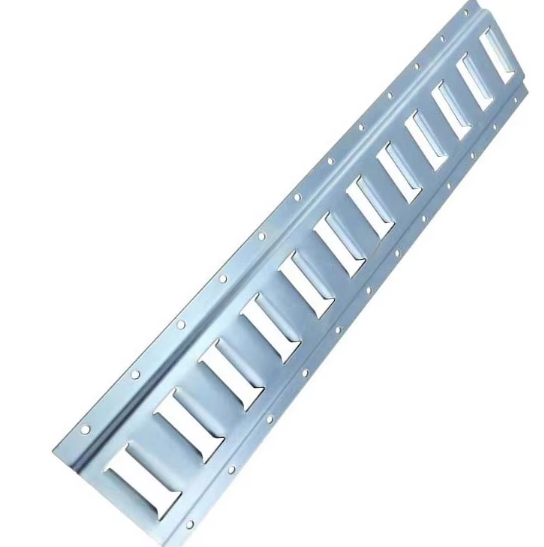
Understanding E Track Accessories and Their Role in Load Securement
Core components of e track systems: rails, fittings, and mounting options
The E track system works best when three main parts come together for good cargo control. At the heart of it all are steel rails that run along the inside of trailers. These rails have regular gaps where different accessories can be attached to walls, floors, even ceilings if needed. When combined with things like D rings, those rotating hooks we all know, and those tight ratchet straps, they really lock down loads from every angle. How people install these rails depends on what they need to transport. Horizontal setups stop stuff from sliding side to side in closed trailers, whereas vertical tracks make sense for taller items or when stacking multiple boxes. Most folks in the transportation business care a lot about durability too. Recent industry checks found around 9 out of 10 professionals look specifically for rust protection and strong welds when picking rails for tough conditions.
Working load limit (WLL) and its impact on e track accessory selection
Each component in an e track system comes with a certified Working Load Limit (WLL) that tells us what weight it can safely handle. Going beyond those limits is asking for trouble, something we've seen time and again. A recent 2023 study on logistics operations found that about 4 out of 10 cargo loss incidents were actually caused by incorrect WLL calculations. When dealing with odd shaped items such as big machines or tanks holding liquids, most experienced engineers suggest getting gear that can take at least 1.5 times whatever forces might come into play during transport. These days, thermal bonded polyester straps rated at around 10,000 pounds are becoming the go to choice for moving heavy equipment because they stand up much better to vibrations than old fashioned webbing materials did back in the day.
Assessing Special Cargo Needs for Effective E Track Customization
Matching Cargo Type, Weight, and Dimensions with Appropriate E Track Accessories
Effective E track customization begins with analyzing cargo characteristics. For brake drums or engine blocks weighing over 1,000 lbs, heavy duty ratchet straps (WLL ≥ 5,000 lbs) paired with forged D rings prevent deformation during transit. Lightweight composite parts under 200 lbs benefit from quick release buckles and non abrasive webbing to avoid surface damage.
Case Study: Securing Automotive Parts Using Modular E Track Configurations
A deployment for hybrid vehicle battery modules (48" x 32" x 18") used adjustable sliding hooks and anti vibration pads on e track rails, reducing lateral movement by 92% versus traditional chains. This modular approach allowed repositioning mid transit when adding delicate dashboard displays to the shipment.
Risks of Using Standard Accessories for Non Standard or Irregular Loads
Standard e track straps failed 34% faster in FMCSA tests when securing irregular loads like turbine blades or mixed pallets. Customized setups using X pattern webbing and reinforced end fittings reduced cargo shift incidents by 68%. For cylindrical tanks, fixed angle brackets prevented 82% of rotational incidents compared to basic J hooks.
Modular and Adjustable E Track Systems for Flexible Cargo Configurations
Benefits of Changeable Anchoring Points for Diverse Cargo Types
Modular E track accessories enable operators to reconfigure anchoring points in minutes, adapting to shifting load profiles without structural modifications. Adjustable rails support:
- Vertical/horizontal mounting combinations for asymmetrical cargo
- 6" to 24" anchor spacing adjustments to match load dimensions
- Hybrid setups blending fixed and mobile securement zones
This flexibility reduces wasted cargo space by 19% compared to static systems while accommodating mixed shipments like glass panels alongside machinery parts.
Multi Point Securement Strategies in Dynamic and Mixed Freight Environments
Modern fleets combine 3–7 E track anchors per load to counteract highway vibrations and sudden stops. A typical automotive parts shipment uses:
- Horizontal rails with sliding D rings for engine blocks
- Angled straps from ceiling tracks for alloy wheels
- Floor mounted pivoting hooks for suspension components
These multi directional forces distribute stress across the trailer structure, reducing individual anchor strain by 34–41% in FMCSA tested scenarios.
Growing Trend: Modular E Track Adoption in Modern Freight Transport
More than half of logistics managers have started favoring modular E track systems instead of those old fixed anchor points lately. Why? Well, e commerce keeps growing and needs all sorts of package combinations delivered together. Plus there are these new rules about handling big loads that just keep coming in. And let's not forget companies trying to standardize their entire fleets across different regions. These modular systems can be adjusted pretty quickly too. We're talking around 25 30% faster when changing how things get loaded compared to what was used before. That makes a real difference at places where goods need to switch trains or trucks fast, especially important for getting packages out the door right on time for customers waiting at home.
Custom Rigging Solutions for Oversized and Irregular Loads Using E Track Accessories
Designing Custom Rigging Setups With Cradles, D Rings, and Swivel Hooks
When dealing with big items such as heavy machinery or building parts, regular equipment just won't cut it. That's where special E track gear comes into play for those awkward shapes. These adjustable cradles actually wrap around round stuff pretty well, and the D rings let workers attach things from all angles when the load isn't balanced. Then there are these swivel hooks that lock in both directions at once, spreading out the pressure so nothing gets damaged during transport. What makes this system stand out is how flexible it is. Workers can tweak everything based on what they're hauling, something normal straps simply cannot do. Many logistics teams have found this approach saves time and prevents damage claims down the road.
Combining E Track Rails With Supplemental Bracing for Enhanced Stability
When dealing with really heavy loads or items that tend to tip over, many experienced engineers suggest adding extra support to E track systems through what's called cross bracing. The basic idea involves welding steel beams across parallel rails to form something like a sturdy grid framework. According to research published last year in the Industrial Transport Journal, this approach cuts down sideways shifting by about 43 percent when compared to regular single track setups. Another trick worth considering is installing diagonal tension cables as backup support. These work pretty well at stopping those annoying slow wobbles that can happen when transporting goods over long distances on highways.
68% Reduction in Cargo Shift Incidents With Customized E Track Setups (FMCSA, 2022)
The Federal Motor Carrier Safety Administration looked at around 12,000 freight shipments and found something interesting about E track setups. When customized instead of going with the standard generic ones, performance jumps way ahead. For flatbed trucks, multi plane anchoring cut down on those annoying load shifts from nearly 20% down to just over 6%. And companies saw real money savings too hybrid strap brace systems saved them about 18.7 million dollars each year in cargo damage claims. Why does this happen? Basically, when forces get spread out properly across all those track points instead of concentrating on one spot, things stay secure and don't break as easily under pressure.
Selecting High Performance E Track Straps and Fittings for Demanding Conditions
Material, Length, and Attachment Considerations for Specialized E Track Accessories
Durable polyester webbing (1,500—5,000 lb break strength) and zinc plated steel fittings form the foundation of reliable e track accessories. For heavy machinery transport, 16 foot straps with reinforced double needle stitching provide 30% greater tensile strength compared to standard 12 foot versions. Key design factors include:
- Hook compatibility: Swivel D rings adapt to angled cargo surfaces
- Temperature tolerance: 40°F to 190°F operational ranges for extreme climates
- WLL alignment: Accessory ratings must exceed cargo weight by ≥15%
Optimizing E Track Strap Performance in High Vibration and Harsh Environments
Anti slip ratchet mechanisms reduce tension loss by 83% during prolonged highway travel compared to basic cam buckles (FMCSA, 2022). In saltwater exposure or chemical transport scenarios, stainless steel carabiners paired with PVC coated straps prevent corrosion induced failures. Three critical enhancements for vibration prone applications:
- Interlocking stitch patterns along stress points
- Rubber lined end fittings to dampen harmonic oscillations
- Dual layer webbing at rub points
Rising Demand for UV Resistant and Corrosion Proof E Track Accessories
Outdoor transporters now prioritize UV stable polymers that retain 94% of original strength after 2,000+ sunlight hours—a 5X improvement over traditional nylon blends. The marine logistics sector drives a 42% annual growth in seawater resistant e track components, with aluminum alloy anchors replacing galvanized variants in coastal operations.
Table of Contents
- Understanding E Track Accessories and Their Role in Load Securement
- Assessing Special Cargo Needs for Effective E Track Customization
- Modular and Adjustable E Track Systems for Flexible Cargo Configurations
- Custom Rigging Solutions for Oversized and Irregular Loads Using E Track Accessories
- Selecting High Performance E Track Straps and Fittings for Demanding Conditions