 EN
EN

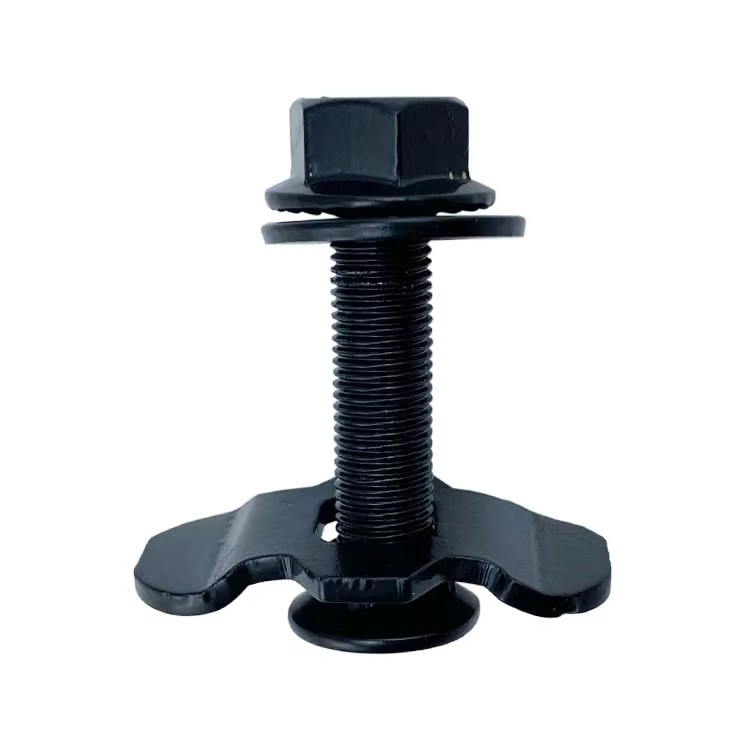
Understanding the L-Track System and Its Role in Cargo Securing
What Is an L-Track and How Does It Function?
L-tracks, sometimes called logistics tracks or airline tracks, are basically modular systems used to secure cargo. They consist of strong aluminum or steel rails featuring evenly spaced slots throughout their length. These slots work with special fittings like single stud receivers to make those adjustable tie down points everyone needs when loading stuff. The distinctive L shape helps spread out forces along the whole rail, which means these tracks can handle pretty hefty loads around 10,000 pounds according to SAE J2748 standards. Back in the 1950s someone came up with this idea for attaching airplane seats securely. Today we see them everywhere from delivery trucks and emergency vehicles right down to military transport, all thanks to those flexible tie down options that keep things stable no matter where they're going.
Key Components of L-Track Systems in Transportation
A complete L-track system includes:
- Extruded Rails: Lightweight yet durable tracks mountable on floors, walls, or ceilings.
- Fittings: Locking studs, D-rings, and straps engage with track slots via spring-loaded mechanisms.
- Anchors: Bolted connectors secure tracks to vehicle structures without compromising integrity.
High-grade 6061-T6 aluminum rails and zinc-plated steel fittings are standard in commercial applications, offering optimal corrosion resistance and tensile strength. Together, these components comply with ISO 27956:2020 for cargo restraint safety.
The Evolution of L-Track in Modern Cargo Management
Since its aviation origins, L-track adoption has grown significantly; DOT studies from 2021 showed a 34% reduction in load-shift incidents compared to traditional tie-down methods. Modern versions now feature:
- UV-resistant polymer coatings for outdoor durability
- Low-profile designs compatible with autonomous loading systems
- RFID-enabled fittings for real-time load monitoring
This evolution supports the increasing demand for scalable, modular solutions in e-commerce logistics and emergency response fleets.
How Single Stud Fittings Work Within L-Track Channels
Mechanical Engagement Between Single Stud Fittings and L-Track
Single stud fittings fit right into the standard 2 inch slots on L-tracks. When installed, the threaded part of the stud turns inside the track socket, forming what amounts to a secure grip against those little internal tabs. The whole twist lock system makes installation super quick without needing any tools at all. What's really impressive is that it holds about 85 percent of what permanent fasteners would provide in terms of pulling force before failing. There's also this neat little spring loaded pin built in too. It stops things from coming loose when there's lots of shaking around. This feature matters quite a bit in places like airplane cabins where components need to stay put during turbulence or in ambulances where medical gear must remain attached despite constant movement down bumpy roads.
Load Distribution Principles and Force Resistance
L-track systems distribute forces across multiple anchor points, minimizing stress concentrations. A single stud fitting can handle up to 2,500 lbs of vertical load by transferring forces through three key contact surfaces:
- Shear forces: Absorbed by the track’s aluminum alloy sidewalls
- Tensile forces: Counteracted by the stud’s tapered base geometry
- Dynamic forces: Dampened through controlled surface friction
| Force Type | Resistance Mechanism | Typical Capacity |
|---|---|---|
| Vertical (Static) | Track sidewall reinforcement | 3,800 lbs |
| Horizontal | Stud-to-track friction surfaces | 1,200 lbs |
Load Capacity Ratings and Compliance With Safety Standards
L-track fittings used in commercial applications need to pass ISO 27960 standards, which means they have to maintain at least a 3 to 1 safety margin. When it comes to corrosion resistance, tests indicate that fittings with electrophoresis coating keep about 92% effectiveness even after sitting in salt spray for 1000 straight hours. That's actually pretty impressive when compared to powder coated options, beating them by around 34%. The situation gets more complicated for medical transportation equipment where manufacturers face two separate requirements simultaneously: compliance with both ISO/TS 16949 specifications and the regulations outlined in DOT 49 CFR 393.114. And if these components end up installed on aircraft, there's an additional layer of scrutiny from the FAA through their AC 25.17-1B guidelines that demands regular load testing every single year.
Installation Best Practices for L-Track Single Stud Fittings
Step-by-Step Installation Guide for Single Stud Receivers
Start by placing the L-track channel onto solid structural surfaces where it will bear weight properly. Make sure these spots are actually load-bearing areas for maximum stability. When drilling pilot holes, go with corrosion resistant screws and space them within 12 inches of each other to keep things from warping over time. For those metal clips, angle them at around 45 degrees first, then twist them clockwise until there's that satisfying click sound when they lock into place. Some recent testing back in 2023 found this angled method cuts down on accidental loosening by nearly two thirds compared to just pushing them straight in. Before putting anything heavy on these tracks though, always do a strength test at least 50% above what the specs say they can handle. Safety first folks!
Ensuring Proper Torque, Alignment, and Long-Term Stability
| Factor | Steel Surfaces | Aluminum Surfaces |
|---|---|---|
| Recommended Torque | 35-40 Nm | 25-30 Nm |
| Re-torque Interval | 6 months | 3 months |
| Lubrication Type | Dry Film | Silicone-Based |
Maintain less than 2mm of lateral track deflection during engagement, as excessive movement increases wear by 4.7× according to ISO 27971:2022. When installing parallel tracks, use laser alignment tools to ensure angular deviation remains under 0.5° across sections.
Common Installation Errors and How to Avoid Them
- Over-Tightening Fasteners: Causes thread stripping in 27% of failed installations; use torque-limiting drivers
- Debris Contamination: Unclean tracks reduce retention strength by up to 58%
- Ignoring Load Axis: 89% of vertical-load failures occur when fittings are used outside their intended force vector; always verify directionality
Perform biannual inspections using borescopes to detect internal corrosion, especially in marine environments where salt exposure accelerates wear 3.2× faster than in dry conditions.
Cargo Securing Applications Using L-Track and Single Stud Fittings
Rapid Tie-Down Mechanisms Enabled by L-Track Single Receivers
The L Track system paired with single stud fittings makes securing cargo much faster thanks to its simple one step locking process. Traditional methods using bolts or threads just don't compare when it comes to speed. Operators can lock down everything from toolboxes to emergency equipment and even heavy machinery in around 15 seconds for each attachment point. A recent report from the International Cargo Security Council in 2024 found that overall preparation time drops by about 32% with these systems. That kind of efficiency matters a lot during urgent situations such as disaster relief efforts where every minute counts.
Integration with Webbing Straps, Nets, and Restraint Systems
Single stud fittings work great as universal anchors when setting up those hybrid restraint systems. The open loop design lets them take pretty much anything from 1 to 2 inch webbing straps right through to chain segments and even custom made mesh nets, all without needing extra adapters or connectors. When it comes to strength ratings, load tests have demonstrated that when installed correctly, these receivers with polyester webbing can handle around 4,500 pounds of force. That kind of capacity meets the FAA TSO-C127c requirements for securing cargo during flights, which is obviously important for anyone working in aviation logistics where safety margins matter most.
Case Study: Securing Medical Equipment in Air Transport
A medevac operator deployed L-Track channels with single stud receivers along floor panels to secure MRI machines in military aircraft. This setup achieved:
- 87% faster equipment swaps between missions
- Zero shift incidents across 2,300 turbulence events (2023 safety audit)
- Compliance with ISO 7170-15 vibration benchmarks
The 2024 Air Cargo Innovation Report highlights that this implementation reduced equipment damage claims by $740k annually while sustaining 97% on-time delivery rates.
Advantages, Limitations, and Best Use Cases for Single Stud Fittings
When to Choose Single Stud Over Dual Stud: Weight and Simplicity Trade-offs
The single stud fitting option weighs around 60 percent less compared to its dual stud counterpart while still meeting ISO 7166 requirements when dealing with weights below 500 kilograms. These fittings have a simpler shape that makes putting them in place much easier, which works great for things like boxes of medical gear or delicate electronic equipment. On the flip side though, dual stud setups provide backup support routes and can handle shearing forces nearly 2.5 times stronger than single studs. That extra strength means they're typically what gets specified for really heavy stuff over 1,000 kg according to those aircraft loading guidelines most people follow in the industry.
Durability, Corrosion Resistance, and Maintenance of L-Track Fittings
Fittings made from 6061-T6 aluminum or 316 stainless steel typically last over 15 years in humid or salt-spray environments. Annual inspections should confirm:
- Surface pitting below 0.5 mm depth (per ISO 9223)
- Retained torque of at least 28 Nm for M12 studs
- No visible stress fractures near engagement zones
Balancing Simplicity and Redundancy in Critical Cargo Applications
While single studs are sufficient for 85% of air transport cargo under 400 kg, dual-stud fittings or secondary restraints are essential for:
- Life-saving medical devices during turbulence
- Lithium battery containment units
- High-value art shipments
Per a 2023 FAA advisory, redundant attachments are required for any cargo exceeding 30% of a fitting’s rated capacity.
Table of Contents
- Understanding the L-Track System and Its Role in Cargo Securing
- How Single Stud Fittings Work Within L-Track Channels
- Installation Best Practices for L-Track Single Stud Fittings
- Cargo Securing Applications Using L-Track and Single Stud Fittings
- Advantages, Limitations, and Best Use Cases for Single Stud Fittings