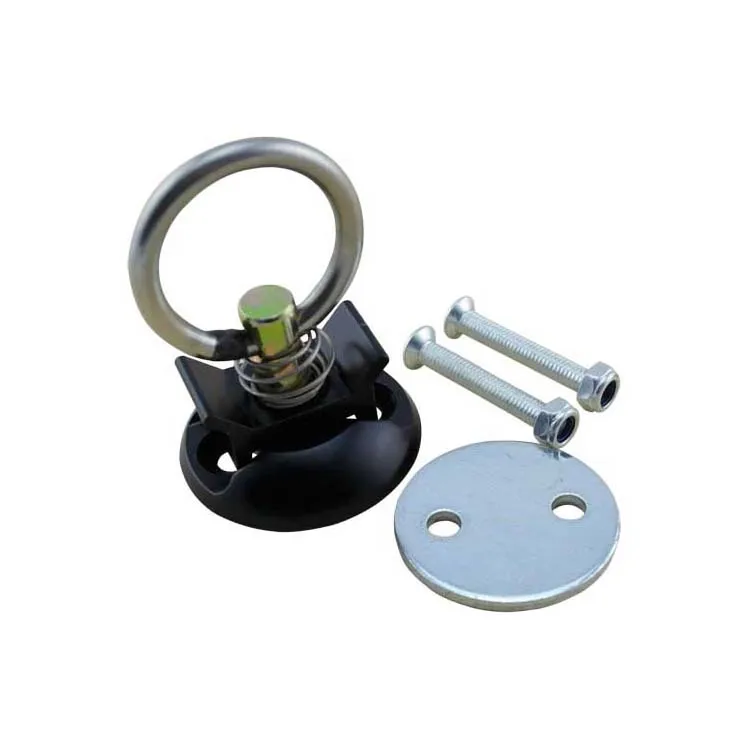
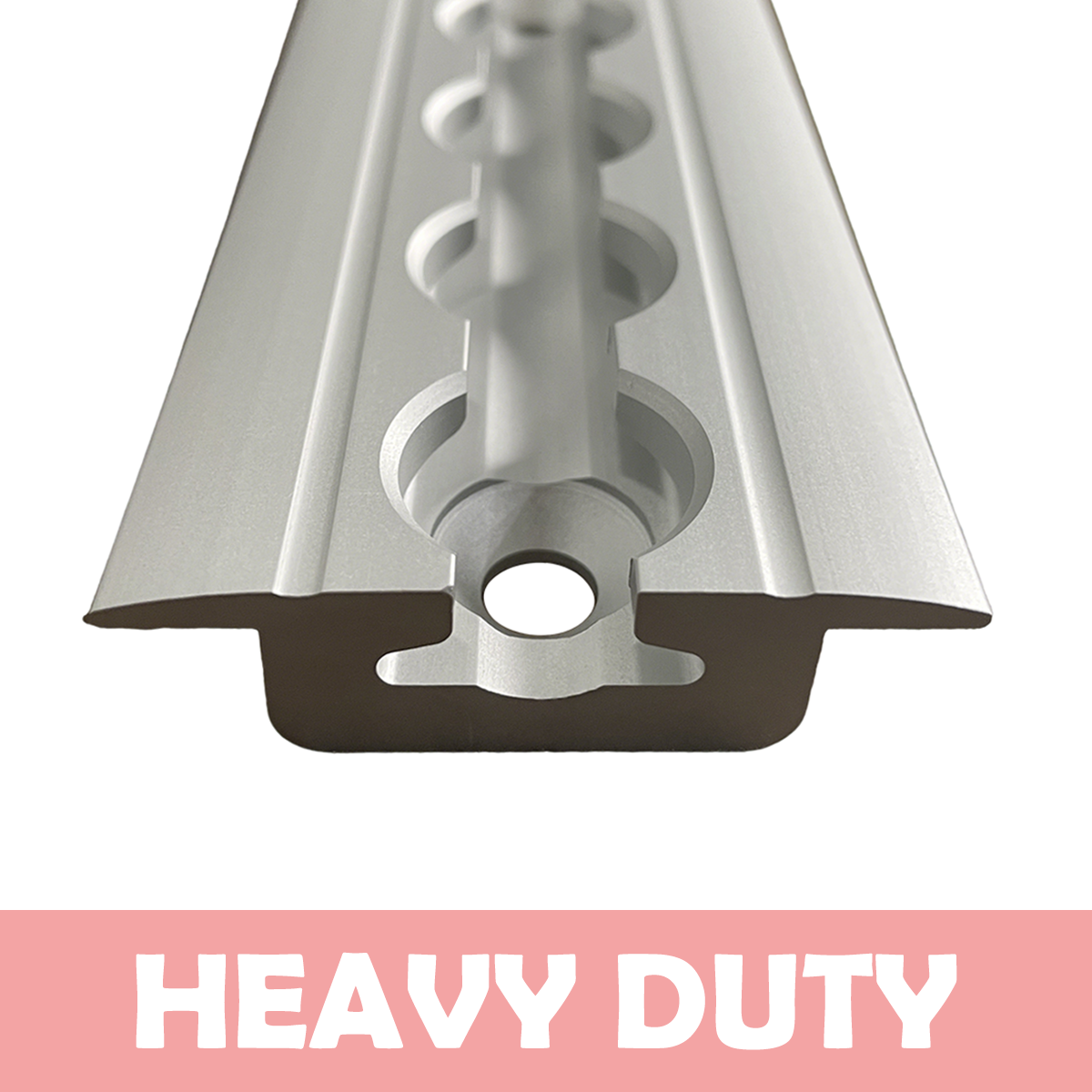
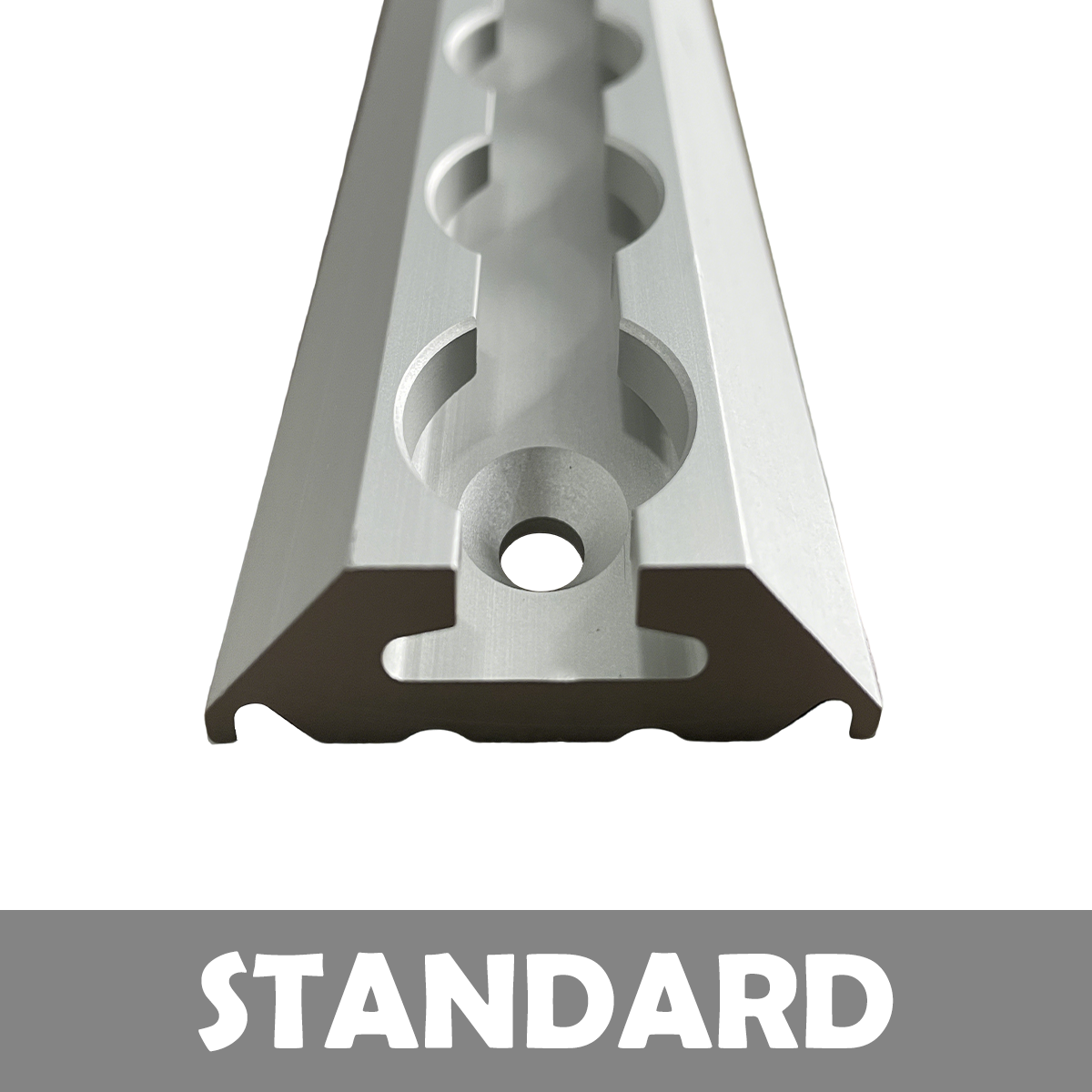
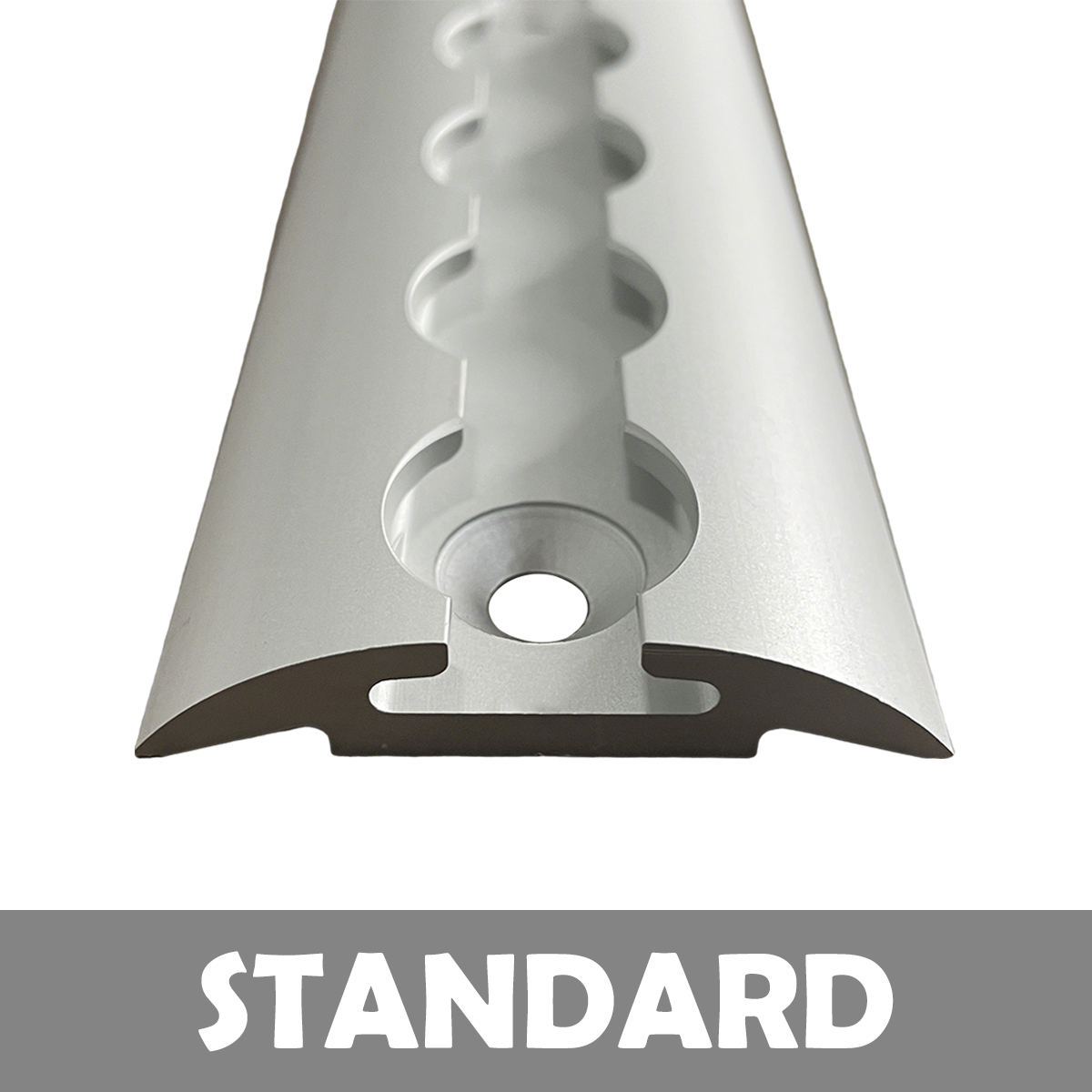
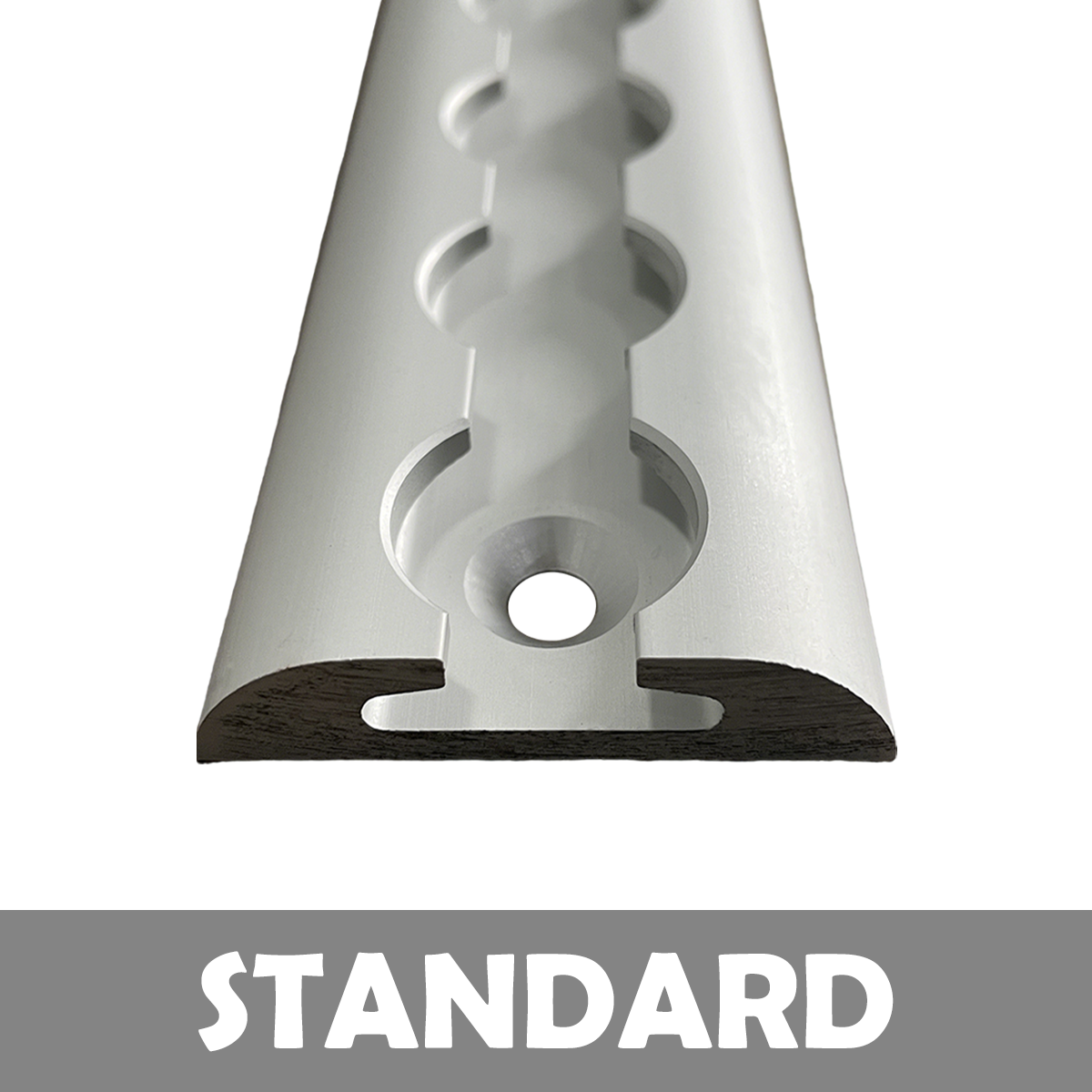
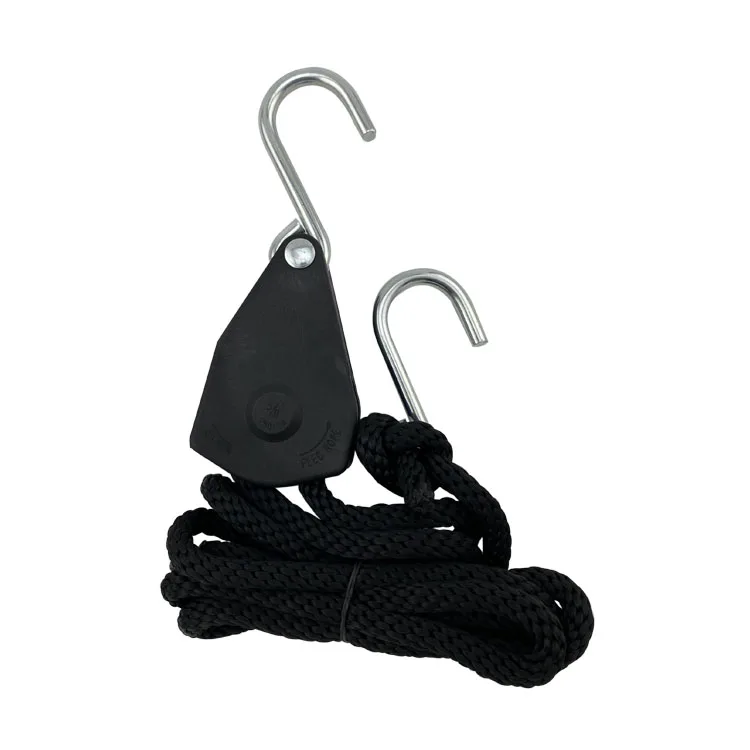
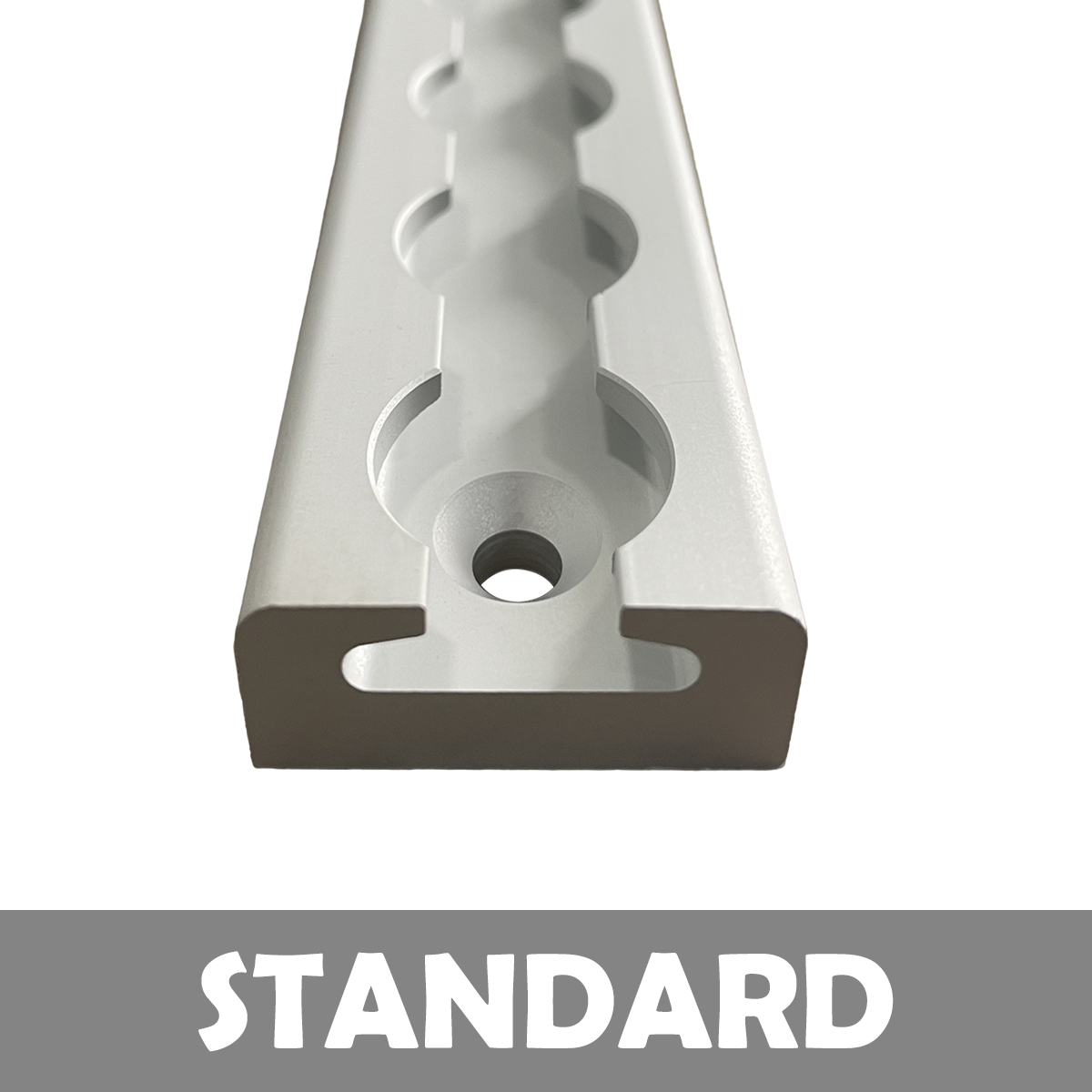
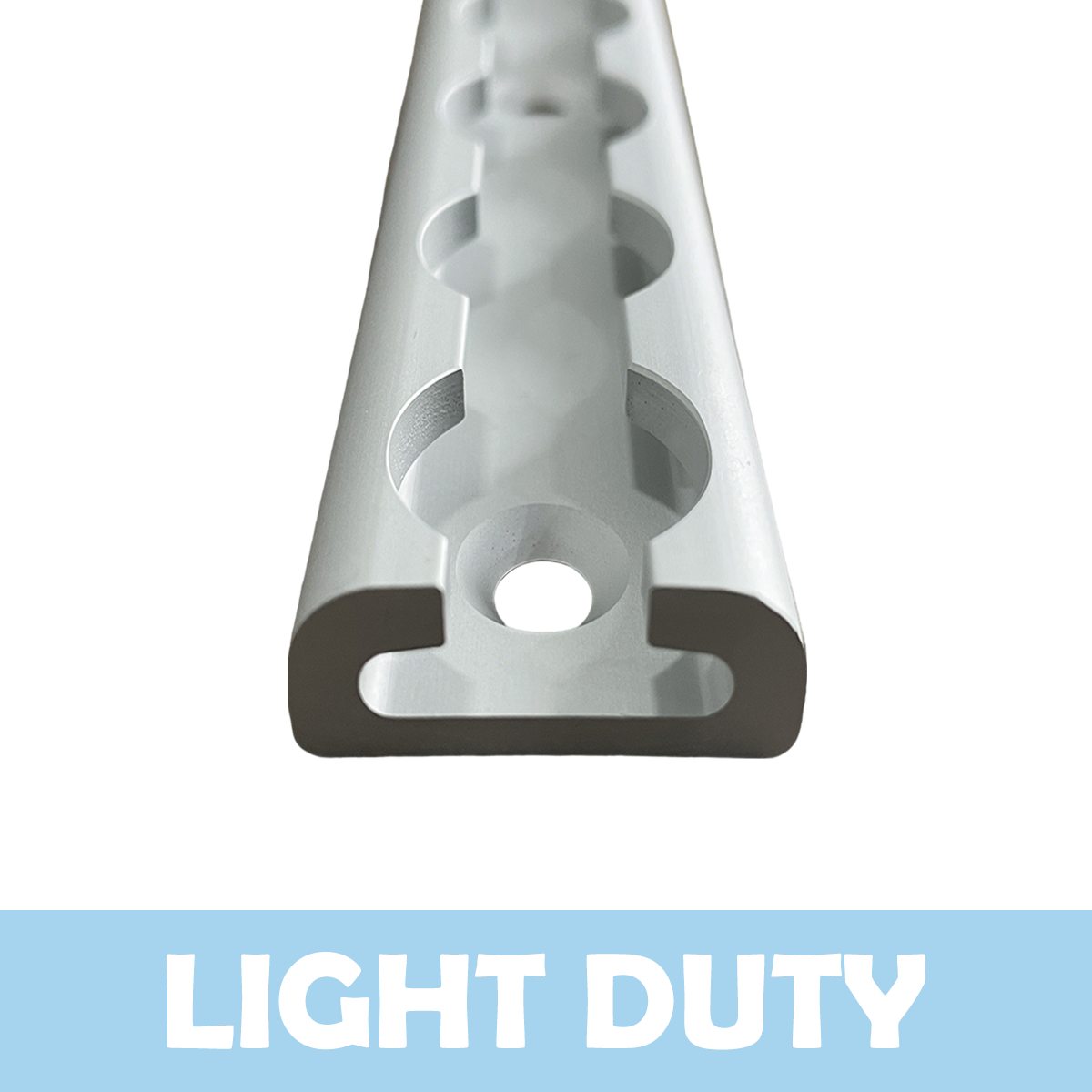
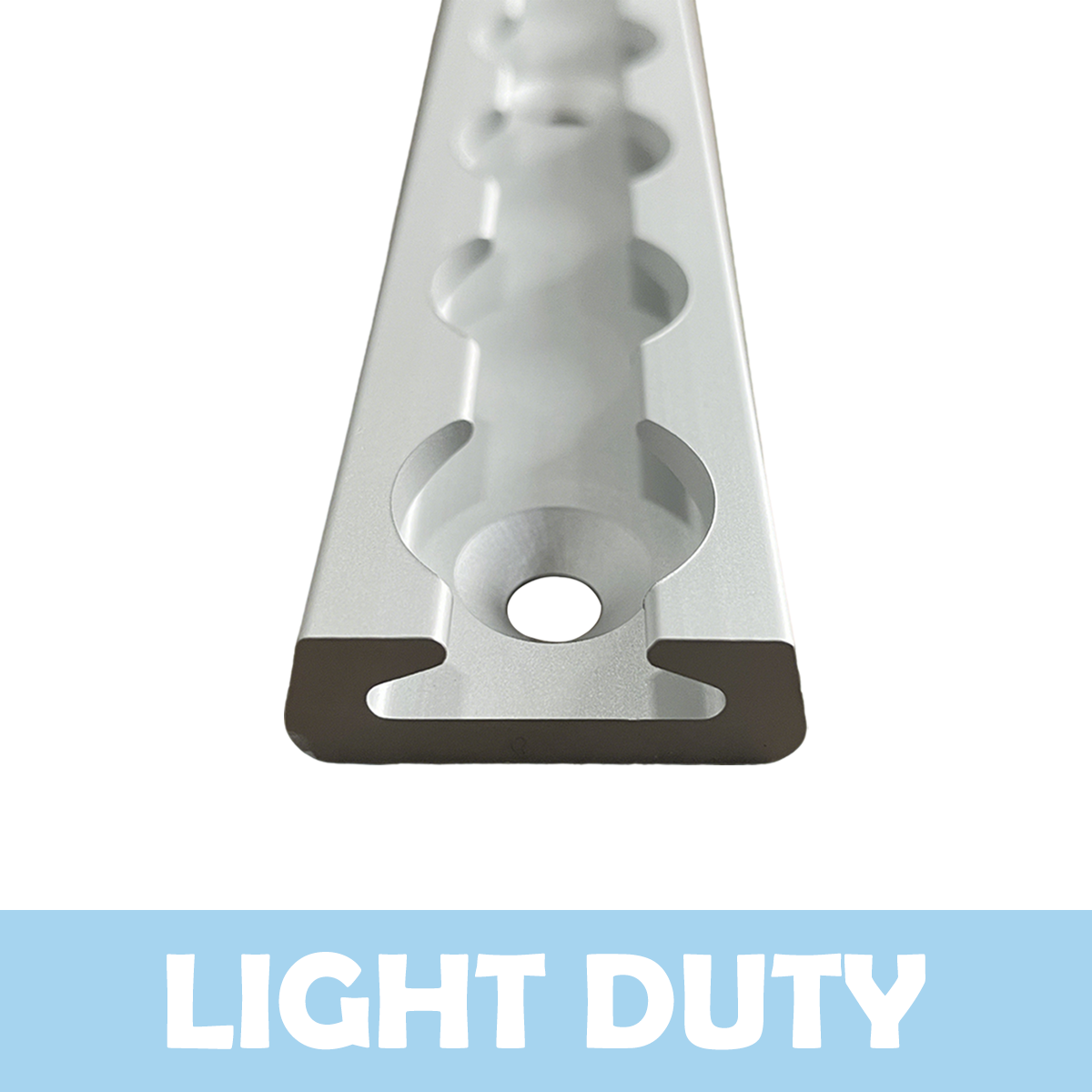
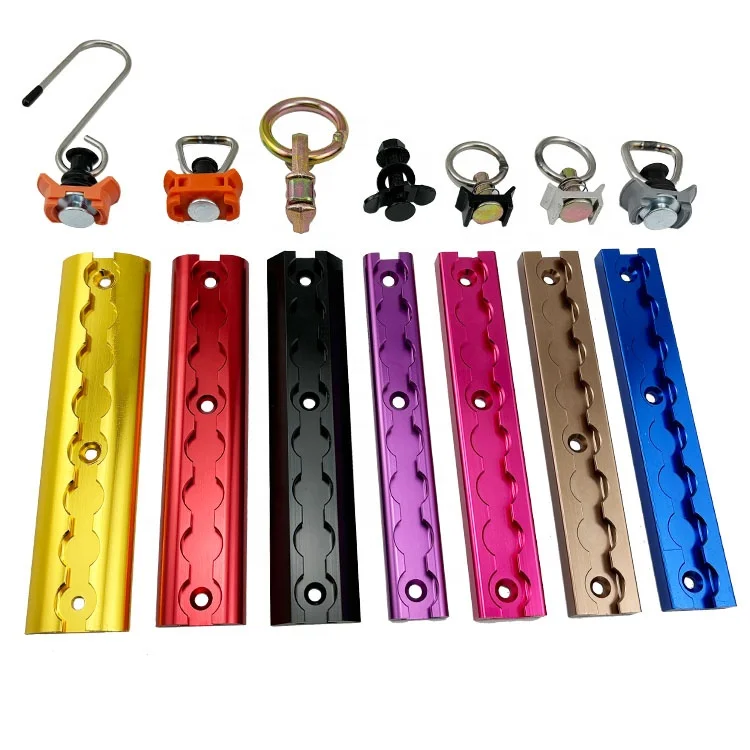
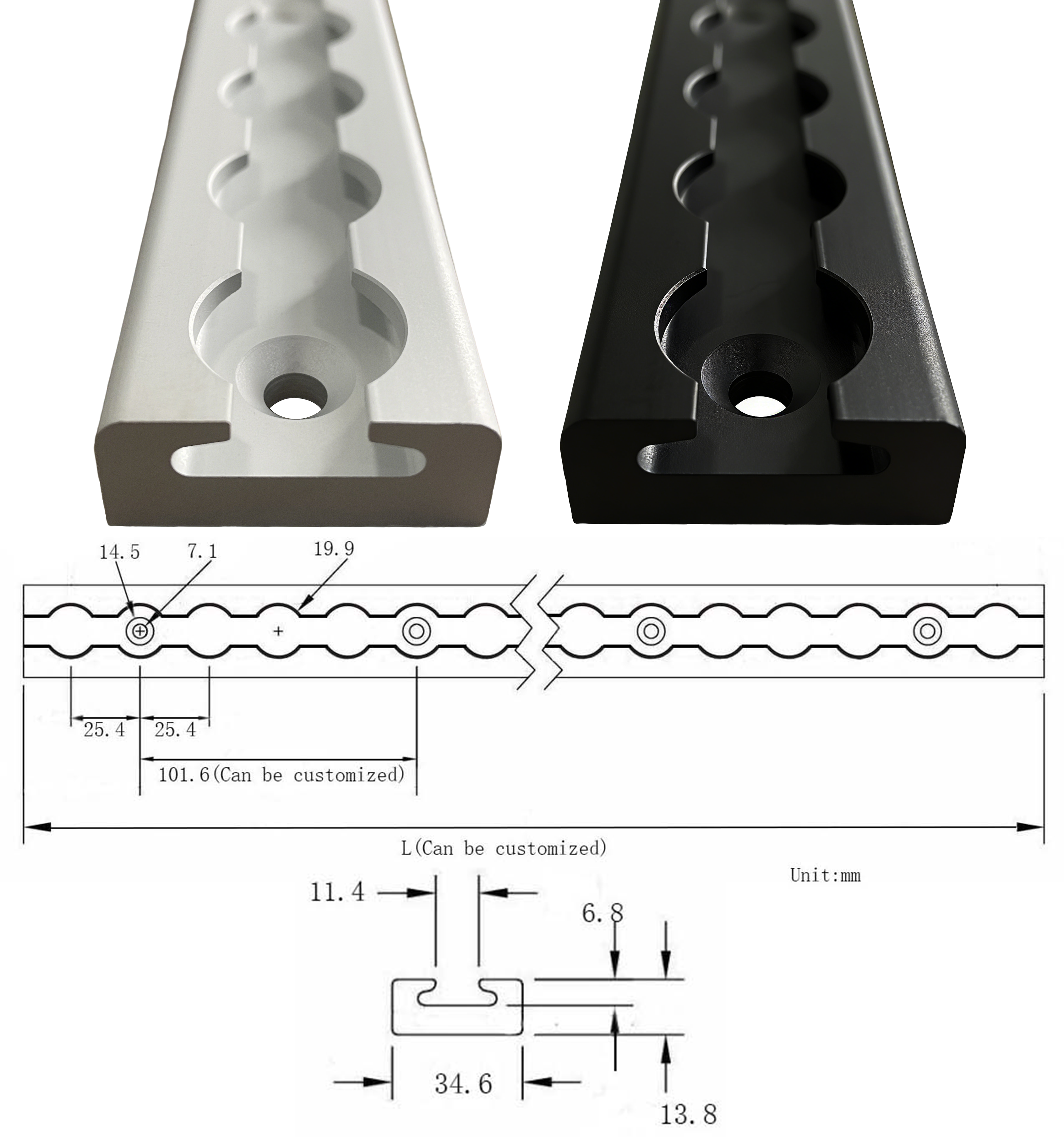

E tracks represent a critical innovation in cargo securement, featuring a modular rail system with slot patterns that enable dynamic load management in transport environments. Constructed from robust materials like carbon steel or reinforced polymers, these tracks undergo rigorous manufacturing processes, including punching and magnetic polishing, to achieve high tensile strength and fatigue resistance. In industrial settings, E tracks are essential for securing heavy equipment, palletized goods, and hazardous materials in shipping containers, ensuring compliance with regulations such as those from the Department of Transportation. A notable application is in the automotive industry, where E tracks are used in car carriers to immobilize vehicles during long haul trips, preventing lateral movement and reducing insurance claims. For example, a logistics company reported a 30% decrease in cargo related incidents after retrofitting their fleet with E tracks. The system's adaptability allows for horizontal or vertical installation, catering to specific vehicle designs like box trucks or flatbeds. Users benefit from easy accessory compatibility, including E track straps and rings, which simplify load adjustments without specialized tools. From a safety perspective, E tracks mitigate risks like load shift, which can cause vehicle rollovers, by distributing forces evenly. Maintenance protocols involve periodic torque checks and corrosion inspections, especially in harsh climates. As e commerce grows, E tracks support last mile delivery services by enabling efficient cargo organization in vans. Future trends include smart E tracks with embedded sensors for real time load monitoring, highlighting their role in advancing supply chain resilience and safety.