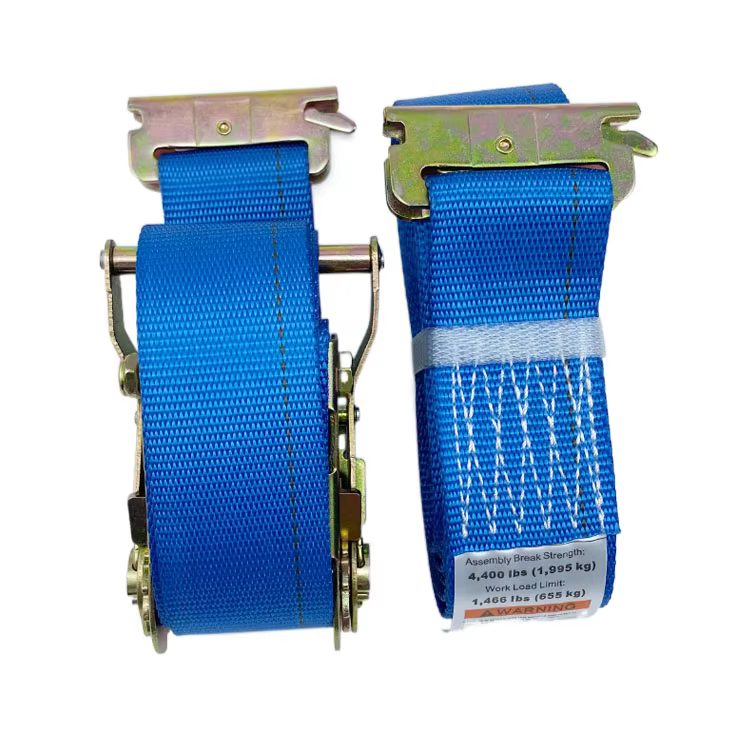
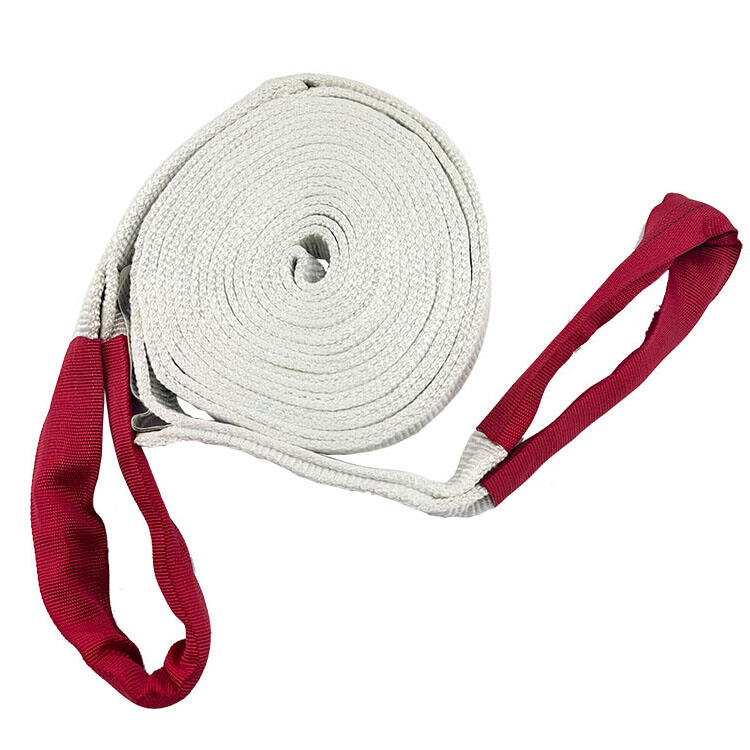
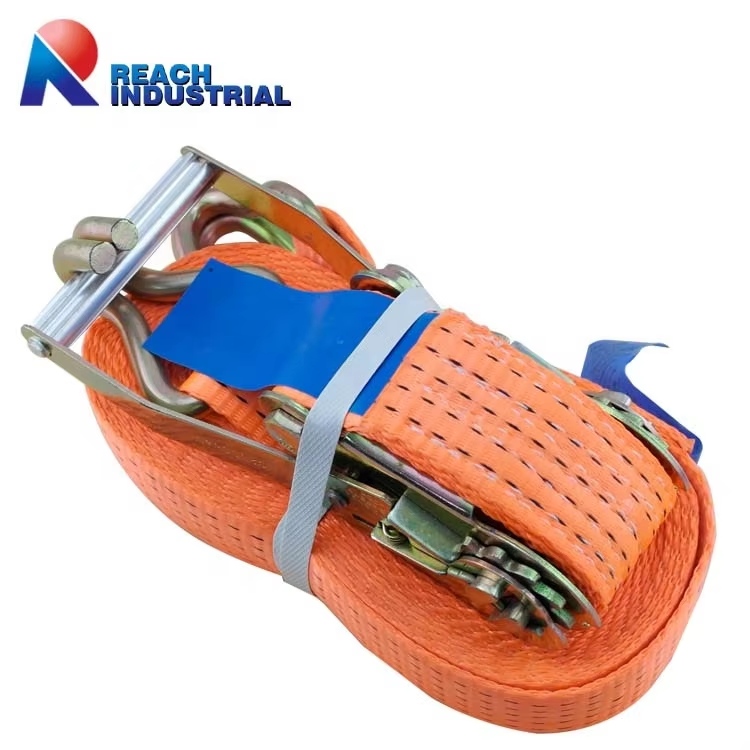
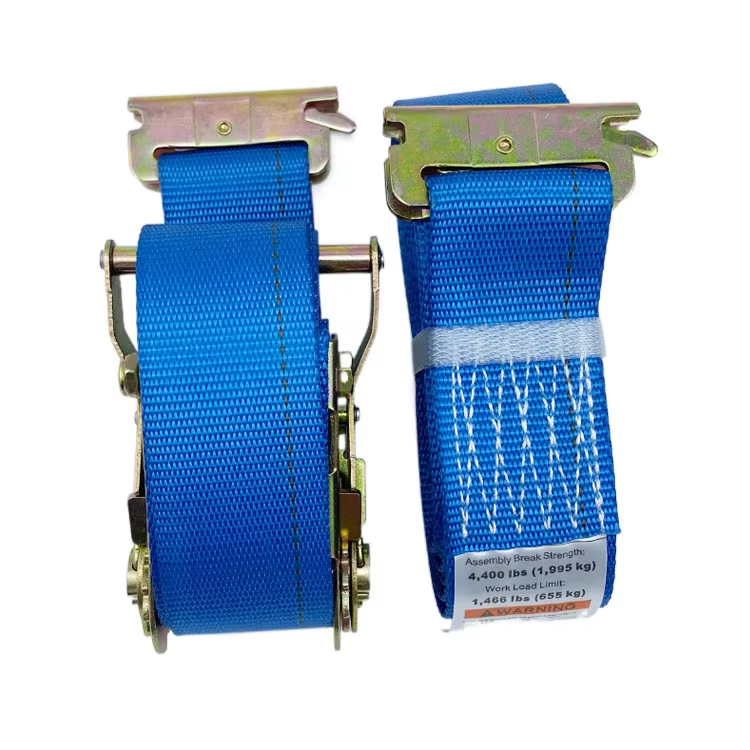
Tow straps play a crucial role in vehicle breakdown towing, serving as a reliable connection between the towing vehicle and the disabled one. Constructed from high - strength materials like polyester or nylon, these straps are engineered to withstand significant pulling forces. Polyester, for example, offers excellent abrasion resistance and maintains its strength even when wet, making it a popular choice for tow strap manufacturing.
The working principle of a tow strap is based on simple mechanical tension. When attached properly to both vehicles, the strap transfers the pulling force from the towing vehicle to the broken - down one. However, correct usage is paramount. It's essential to ensure that the tow strap has the appropriate load - rating for the vehicle being towed. Overloading a tow strap can lead to catastrophic failure, endangering both the operators and other road users.
For safe towing, proper attachment points on both vehicles must be identified. These are usually designated towing eyes or reinforced areas. Before starting the tow, it's necessary to check the strap for any signs of wear, such as fraying or cuts. Even minor damage can compromise the integrity of the tow strap. During the towing process, maintaining a steady speed and avoiding sudden jerks is vital. This helps to keep the tension on the tow strap consistent and reduces the risk of breakage.
In different cultural contexts, the approach to vehicle breakdown towing may vary, but the importance of a reliable tow strap remains constant. Whether it's in urban areas with heavy traffic or remote rural regions, having a quality tow strap can make the difference between a smooth recovery and a dangerous situation. It's not just a piece of equipment; it's a safety - critical component that demands respect and proper care.
 EN
EN